Consumers expect their personal information to be safe in your hands as they use your apps, services, and stores. Even in-person retailers collect customer data for loyalty programs, shopping history, and more. In addition, regulators and auditors — and while we’re at it, let’s add investors, board members, and partners to the list of people who expect all customer data to be secure at all times.
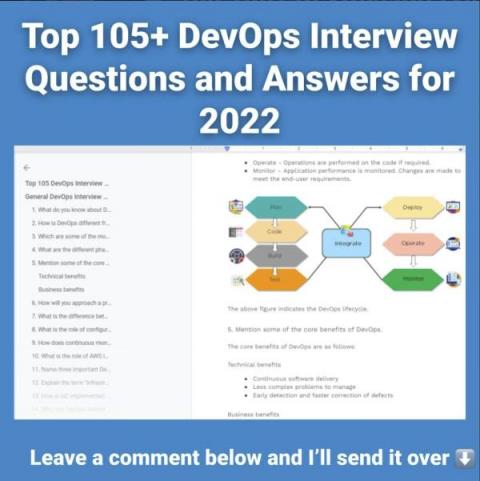
Thinking about breaking into the DevOps space? DevOps has become one of the biggest tech buzzwords. Tech giants – like Facebook, Amazon, or Google – have numerous open positions for DevOps engineers. But it is a competitive field to break into. So if you’ve been prepping for DevOps roles, here are some of the most common interview questions (and potential answers) to expect, including.
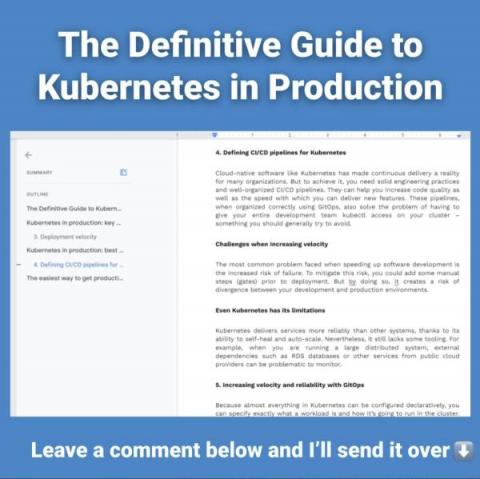
Kubernetes has quickly grown in popularity, also due to its flexibility and power as a container orchestration system. It can scale virtually indefinitely, which has enabled it to provide the backbone for many of the world’s most popular online services. Plus, it is accessible and easy to set up. But, Kubernetes also comes with a few challenges in production.
For this Black Friday, Sematext wishes you: Now seriously, applications tend to generate a lot more logs on Black Friday, and they also tend to break down more – making those logs even more precious. If you’re using the Elastic Stack for log management, in this post we’ll share some tips and tricks to prepare you for this extra traffic.
Like cloud-native and DevOps, full-stack observability is one of those software development terms that can sound like an empty buzzword. Look past the jargon, and you’ll find considerable value to be unlocked from building observability into each layer of your software stack. Before we get into the details of observability, let’s take a moment to discuss the context.