Operations | Monitoring | ITSM | DevOps | Cloud

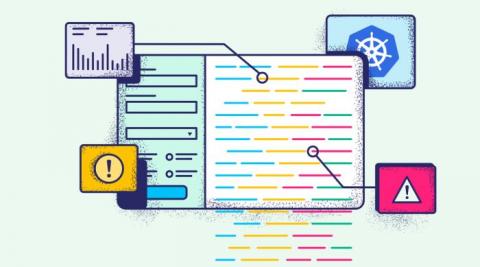
The Coralogix Operator: A Tale of ZIO and Kubernetes

As our customers scale and utilize Coralogix for more teams and use cases, we decided to make their lives easier and allow them to set up their Coralogix account using declarative, infrastructure-as-code techniques. In addition to setting up Log Parsing Rules and Alerts through the Coralogix user interface and REST API, Coralogix users are now able to use modern, cloud-native infrastructure provisioning platforms.

What is Chaos Engineering and How to Implement It

Chaos Engineering is one of the hottest new approaches in DevOps. Netflix first pioneered it back in 2008, and since then it’s been adopted by thousands of companies, from the biggest names in tech to small software companies. In our age of highly distributed cloud-based systems, Chaos Engineering promotes resilient system architectures by applying scientific principles. In this article, I’ll explain exactly what Chaos Engineering is and how you can make it work for your team.

Best Practices for Writing Secure Java Code

Every Java developer should follow coding standards and best practices to develop secure Java code. It is critical your code is not vulnerable to exploits or malicious attacks. In recent times, even big organizations like eBay, the CIA, and the IRS have fallen victim to vulnerabilities in their applications that have been discovered and exploited by attackers. The following guidelines provide a solid foundation for writing secure Java code and applications.

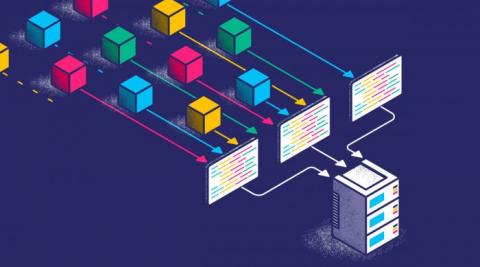
10 Ways to Implement Effective IoT Log Management

The Internet of Things (IoT) has quickly become a huge part of how people live, communicate and do business. All kinds of everyday things make up this network – fridges, kettles, light switches – you name it. If it’s connected to WiFi, it’s part of the Internet of Things. IoT raises significant challenges that could stand in your way of fully realizing its potential benefits.

System Traceability: What is It and How Can You Implement It?

System traceability is one of the three pillars of observability stack. The basic concept of observability is of operations, which include logging, tracing, and displaying metrics. Tracing is intuitively useful. Identify specific points in an application, proxy, framework, library, runtime, middleware, and anything else in the path of a request that represents the following of either ‘forks’ in execution flow and/or a hop or a fan out across network or process boundaries.

Using AWS Athena with Coralogix S3 Archive

Coralogix can be configured to automatically and dynamically archive logs to an S3 bucket. This saves Coralogix customers money, but of course there are times when the data needs to be reindexed. This operation counts the reindexed logs against the daily quota. Many times customers would like to search and focus on the exact logs to be reindexed or even query the logs outside of Coralogix all together.

Intro to Elasticsearch: From Deployment to Basic Usage

Elastic is “an index”, “a search engine”, “a big data solution”, an analytics platform with advanced data visualizations and incredibly fast search capabilities. In short, it’s a solution for many problems. The Elasticsearch platform provides a distributed search cluster that enables large amounts of data to be indexed and searched at scale.

Coralogix - Panel Discussion: Elasticsearch is Not Open Source Anymore

Does SSPL license endanger your intellectual property? As of January 2021, Elasticsearch is no longer open source. From version 7.11 and onwards, all ELK products (Elastic, Logstash, Kibana) will be registered under the new SSPL license created by Mongo and now adopted by Elastic. In this panel, our IP expert lawyer discusses the new license and helps explain whether it impacts your business or puts it at risk.