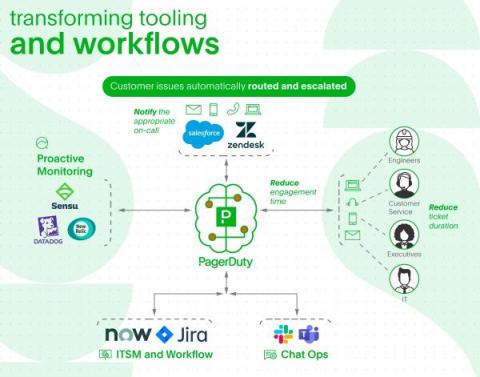
There’s an incident. Your teams need to communicate with the development team that owns the service, but that team is too busy to stop and chat. Meanwhile, you in central IT have business leaders asking for updates, angry internal users calling the help desk, and customer service representatives asking for information. You have hundreds of tickets all pertaining to the incident in your ticketing system.
Digital transformation accelerated for many companies during the last 18 months. While it may have been on the agenda prior to COVID-19, teams were pushed to extreme speeds to digitize and meet the rising online demand. During this time, organizations learned important lessons that they’ll carry on with them into this new future. Leaders can take these learnings and use them to build better products, healthier and more efficient teams, and a happier customer base.
This July, we launched The State of Digital Operations, which sheds light on the volume of real-time work, its growth over time, and how that increasingly burdens technical teams.
Digital operations management is about harnessing the power of data to act when it matters the most. It’s also about having the right processes and procedures to support teams when every second is critical. Maturing your digital operations takes time, iteration, and commitment. The change won’t happen overnight. But, if you put in the effort, you’ll reap outsized benefits. You’ll be able to learn from incidents and proactively improve your services over time.
As we welcome Fall and such a transformational time of the year, we’re excited to announce a new set of updates and enhancements to the PagerDuty platform. From updates to Runbook Automation, ChatOps and Customer Service Ops Applications, to PagerDuty Community Events, users, and customers can.