Operations | Monitoring | ITSM | DevOps | Cloud




How Is Artificial Intelligence Changing Every Business? 6 Interesting Things You Should Know

Predictive Analytics - The What, How and Why?
The Exoprise marketing team sat down with their CEO, Jason Lieblich, to discuss predictive analytics, market trends, and the technology’s usage in troubleshooting network issues.

What Are The Benefits Of Using Cloud Storage Services For Your Data

A practical approach to Active Directory Domain Services, Part 10: A study into Group Policies and AD
We have covered a plethora of topics on Active Directory (AD) in parts one to nine of this series on Active Directory Domain Services. In this final and 10th part, we will look at one other crucial aspect of AD—Group Policies and Group Policy Objects (GPOs). We will discuss what Group Policies are and what role GPOs play in the effective setup of any AD environment.

What Are the Best Revenue Models for Your Healthcare Mobile App?
Kafka Cloud Service: Top 6 Alternatives for Enterprises 2022
Kafka is an open-source program for storing, reading, and analyzing streaming data. It is open-source, which means it’s free-to-use amongst a big community of users and developers contributing to new features, upgrades, and support on a regular basis. Kafka can run on multiple servers as a distributed system, allowing it to take advantage of each server’s processing power and storage capacity.

Why Preview Environments Are The New Thing in DevOps
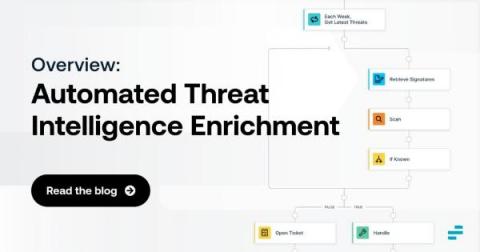
Automated Threat Intelligence Enrichment: An Overview
Discovering security threats is good and well. But, in many cases, simply knowing that a threat may exist is not enough. Instead, you also need threat intelligence enrichment. Threat enrichment plays a critical role in helping to evaluate and contextualize threats, root out false positives and gain the insights necessary to mitigate risks as efficiently and quickly as possible.
What is Real User Monitoring (RUM)? Detailed Guide with Use Cases and Benefits
Near-instantaneous performance. Silky smooth user experience. This is what your digital users are expecting from your web application. If they perceive slowness or encounter failures in their user experience, they will readily switch to a competitor. Failures are a fact of life. The SRE (site reliability engineering) movement is helping craft modern digital systems that are engineered for resilience to failures.