Operations | Monitoring | ITSM | DevOps | Cloud

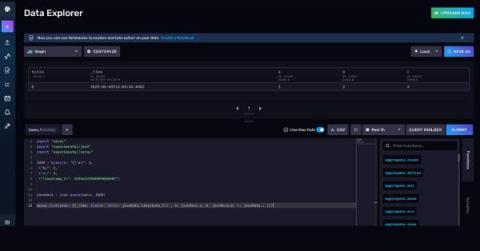
TL;DR InfluxDB Tech Tips: Handling JSON Objects and Mapping Through Arrays

There are multiple ways to use Flux to bring in data from a variety of different sources including SQL databases, other InfluxDB Cloud Accounts, Annotated CSV from a URL, and JSON. However, previously you could only manually construct tables from a JSON object with Flux as described in this first example. We’ll describe how to work with three examples with increasingly complex JSON types. First we will describe how to work with these JSON types with metasyntactic examples.


Garbage Collection in Java

Garbage collection in Java is a familiar term in the coding world. You will come across it when learning the Java programming language. Because it’s built into Java memory management, the garbage collector is one of Java’s crucial features. It helps prevent serious errors and allows programmers to create new objects without worrying about unwanted objects.

Supercharge Your SBC Call Detail Records

As Teams Phone becomes the norm in the Enterprise space, managing the quality of service delivery and user satisfaction, whether it’s cloud or connected to the PSTN, is mission critical. Teams PSTN calls are used for just about every type of meeting as well as for Contact Centers, Customer service, town halls and client pitches. Because of this ubiquitous usage, Enterprise IT needs analytics to understand how this service is performing for users and when problems are occurring.

How to Make Your Incident Response Plan with Mattermost

For teams who deploy software to users around the world, every second counts when responding to outages and other incidents. It’s important that you have tools in your arsenal that are up to the challenge. Service monitoring, alerting, collaboration, and visibility are all essential components of a well-implemented incident response plan.

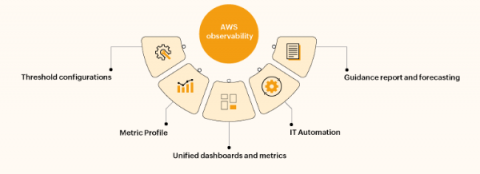
5 features that help you power up AWS observability

Before we take a deep dive into the ways to achieve observability, it is important to understand what observability is and how it is achieved. Frequently, observability is confused with monitoring. Observability provides end-to-end visibility into a system’s internal health by using the data it generates: logs, traces, and metrics. In a multi-cloud environment, observability enables you to detect and resolve anomalies.