Operations | Monitoring | ITSM | DevOps | Cloud

Frequently Asked Questions | Vol 2

In an industry where technological evolution is commonplace, it’s easy to get lost in a sea of terminology and acronyms. It’s important to establish a solid foundation of understanding. In the second installment of our ‘Frequently Asked Questions’ series, we tackle issues related to effective monitoring, speed, and performance related to Microsoft 365 services.

Introduction to the ImGui C++ Library with Conan

The Conan team provides an introduction and demonstration for the open-source C++ graphics library known as ImGui. To show the basics of ImGui, we will create a simple application with some controls like buttons, scrollbars, color editors, and more. We will show how easily and quickly you can create a graphical user interface using this library. Finally, we will show how to a simple way to build ImGui using packages with Conan, the package manager for C and C++.

What are Manual Monitors?

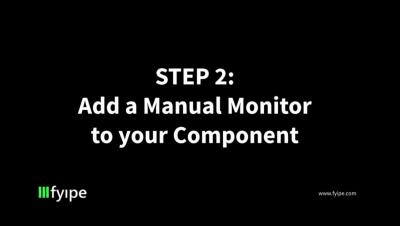
In this video, I'll explain what are Manual Monitors? You’re also going to learn exactly how to create a Manual Monitor in just 2 simple steps while saving a lot of time. Think of Components like folders that contain other Fyipe resources and one of the resources it has is called "Monitors". Manual Monitors are monitors that do not actively monitor any resources. You can use them if you are using an external monitoring tool and can ping Fyipe API to create incidents.

How to embed Grafana visualization in SquaredUp

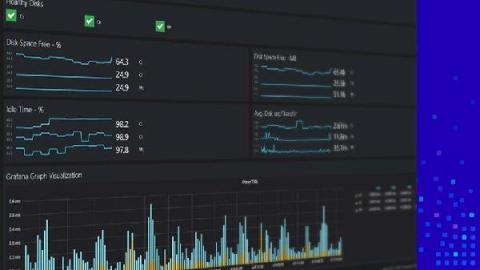
In our previous post on Grafana and SquaredUp, we compared the two tools across various benchmarks like ease of deployment, time to value, dashboard creation, dashboard sharing, and more. Both tools have their specific advantages over the other, but since the ultimate goal is to give you a single place to look – why not leverage Grafana for the visualizations and data sources it offers, but give them meaning by embedding them in SquaredUp?

The Complete Guide to Java String Replace

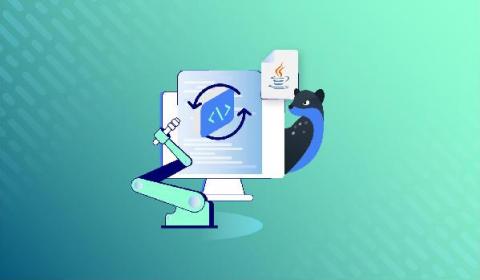
One of the most commonly used functionalities for String objects in Java is String replace. With replace(), you can replace an occurrence of a Character or String literal with another Character or String literal. You might use the String.replace() method in situations like: In Java, keep in mind that String objects are immutable, which means the object cannot be changed once it’s created.

Only Autonomous Anomaly Detection Scales

Say you’re looking for a smart product to detect anomalies in your organization’s IT environment. A sales rep drops by and shows you all kinds of great artificial intelligence (AI) features with fancy-sounding algorithms. It sounds very impressive and seems like there is a lot of very valuable AI in the product. But, in fact, the opposite is true. This is a manual AI product wrapped in a deceiving jacket. Let me tell you more.