Operations | Monitoring | ITSM | DevOps | Cloud

Q&A with Marek Tihkan, CTO at Dashbird: Leading and managing a Developer team

As we enter into our 4th year, we've decided to get up close and personal with our team to share with you their passion, drivers, lessons learned and significant moments of the past year. We're a young company dedicated to adding value in all corners that we reach, so we hope you find the upcoming series useful! Hey Marek, so can you tell us how long you’ve been at Dashbird and where you were before? M: I’ve been at Dashbird for two years now.
9 Signs Your Cloud Readiness Isn't What It Needs to Be

Yes, everyone is talking about the cloud, but are they actually ‘doing it’? The short answer is yes, and in stunning numbers. According to a recent O’Reilly survey, 90+% of organizations expect to increase their usage of cloud-based infrastructure. Over the next 12 months, 67% expect to shift half or more of their applications to the cloud, and 45% are planning to move three-quarters or more of their apps.

How to Create SQL Percentile Aggregates and Rollups With Postgresql and t-digest

When it comes to data, let’s start with the obvious. Averages suck. As developers, we all know that percentiles are much more useful. Metrics like P90, P95, P99 give us a much better indication of how our software is performing. The challenge, historically, is how to track the underlying data and calculate the percentiles. Today I will show you how amazingly easy it is to aggregate and create SQL based percentile rollups with Postgresql and t-digest histograms!

How to "Translate" Grafana Dashboards from Prometheus to Elasticsearch

In the field of open-source metrics and time series monitoring, it is quite clear today that Grafana is the most popular tool of choice. One of Grafana’s main advantages is its storage backend flexibility. It can support almost all the major time series datastores (Prometheus, InfluxDB, Elasticsearch, Graphite etc.), when each datastore has its own query language syntax, and slight differences in the actual Grafana UI and capabilities resulting from these differences.

Getting Started: Writing Data to InfluxDB

This is a beginner’s tutorial for how to write static data in batches to InfluxDB 2.0 using these three methods. Before beginning, make sure you’ve either installed InfluxDB OSS or have registered for a free InfluxDB Cloud account. Registering for an InfluxDB Cloud account is the fastest way to get started using InfluxDB.

Getting Started: Streaming Data into InfluxDB

This is Part Two of Getting Started Tutorials for InfluxDB v2. If you’re new to InfluxDB v2, I recommend first learning about different methods for writing static data in batches to InfluxDB v2 in Part One of this Getting Started series. This is a beginner’s tutorial for how and when to write real-time data to InfluxDB v2. The repo for this tutorial is here. For this tutorial, I used Alpha Vantage’s free “Digital & Crypto Currencies Realtime” API to get the data.

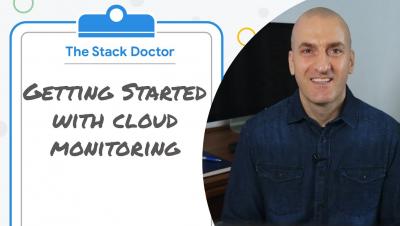
Getting started with Cloud Monitoring

Want to know how to utilize Cloud Monitoring in Cloud Console? In this episode of Stack Doctor, Yuri Grinshteyn shows you how to set up a simple web service and instrument it for both service health and infrastructure monitoring. Watch to learn how you can navigate Cloud Monitoring’s new integration into Cloud Console and gain better observability of your applications and infrastructure.