Let’s imagine you are running a hosting shop with highly visible production applications. Your team has backups, and you have a disaster recovery (DR) policy. You think you are ready to handle any real-world scenario in addition to checking all your compliance boxes. Your third-party backup tools are creating backups, and your implemented solutions have a brochure indicating restore capability.
Logs, metrics and traces are the three pillars of the Observability world. The distributed tracing world, in particular, has seen a lot of innovation in recent months, with OpenTelemetry standardization and with Jaeger open source project graduating from the CNCF incubation. According to the recent DevOps Pulse report, Jaeger is used by over 30% of those practicing distributed tracing.
When visiting a new website, it is quite normal to get carried away by the bells and whistles of the fancy UI and UX and not be able to appreciate all the lower level, back-end code that runs tirelessly to ensure a smooth and fast website experience. This is because your front-end HTML code has a visually rich browser page interface as a platform to showcase its output. Whereas your back-end, server-side code usually only has a console at its disposal.
Time to first byte, first contentful paint, DNS response time, round-trip time, and the list goes on and on. With all of these metrics, how are you supposed to know which are the most important ones that you should monitor? To understand what those numbers are supposed to look like, you’ll have to get a reference point. Something that’s supposed to give you a starting point.
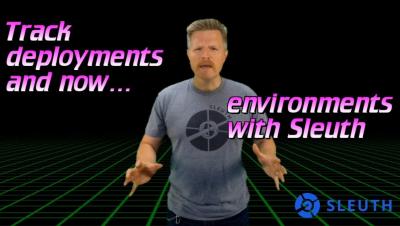
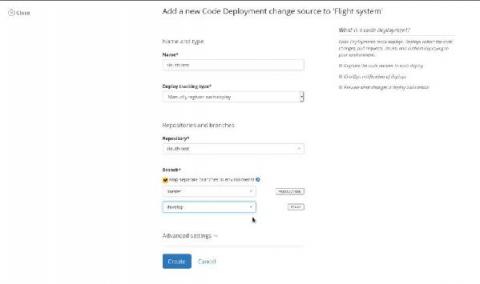
Quick, do you know what code is currently deployed to production? How about staging? How far apart are these environments? Sleuth tracks your deployments, and today, Sleuth is launching first-class environments support. I'm going to show you how it works, steps to take to migrate your existing projects, and where we plan to take it in the future.