Operations | Monitoring | ITSM | DevOps | Cloud

Announcing variable substitution in Stackdriver alerting notifications

When an outage occurs in your cloud application, having fast insight into what’s going on is crucial to resolving the issue quickly. If you use Google Stackdriver, you probably rely on alerting policies to detect these issues and notify you with relevant information. To improve the organization and readability of the information contained in these alerts, we’ve added some new features to make our alerting notifications more descriptive, useful and actionable.

OnPage Launches BlastIT: Messaging for the Masses

Imagine you’re the manager for the IT Operations for a multimillion-dollar retail chain. The chain not only has numerous stores throughout the U.S. but also a robust online presence. Now imagine that you need to conduct security and software updates on the company’s servers. The update will end up disrupting store services for 30 minutes after the work day.

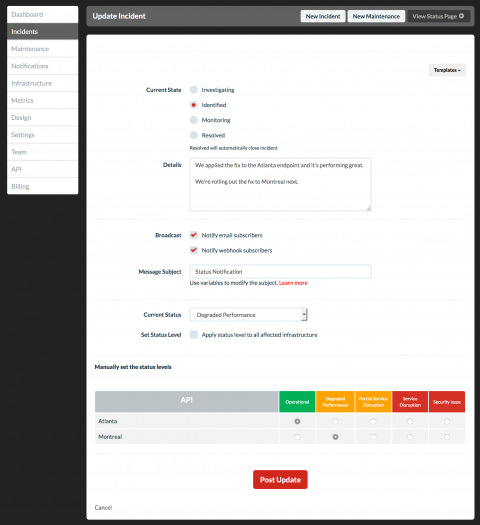
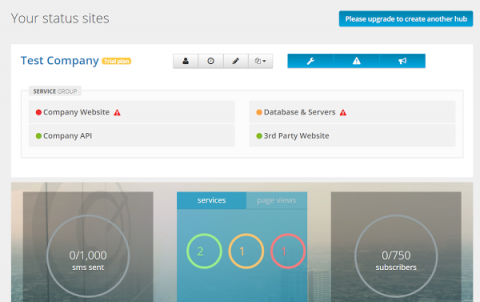
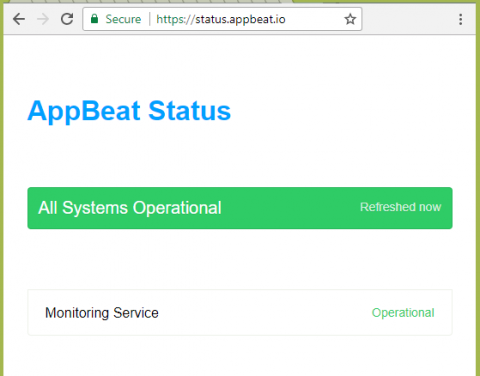
How a Status Page Can Be Your One-Stop Crisis Management Platform

Whether there’s a crisis or scheduled maintenance on your servers, you need to keep your customers informed during these down times. Instead of using multiple tools in your crisis management process, your IT team can use one platform. Status pages can solve multiple issues in one location instead of using your web page, email, phone and ticket system to notify customers. This also helps to let them know about maintenance updates before they happen.

PagerDuty Accelerates Enterprise Reach and Customer Growth While Surpassing Industry Milestones

SAN FRANCISCO – April 17, 2018 – PagerDuty, the global leader in Digital Operations Management, today announced its continued momentum into enterprise and the business growth achieved over the last several quarters. The company has amassed an ever-expanding portfolio of more than 10,000 customers, including half of the Fortune 100.

Why Are Less Than 1% Of Critical Alerts Investigated?

Many organizations seem to be suffering from alert fatigue. In a recent EMA report, according to Infosecurity, 80% of organizations that receive 500 or more severe/critical alerts per day, happen to investigate less than 1% of them. A shocking number to say the least! But what are the obstacles organizations are facing that allows such neglect?