How NaaS and SDCI Can Lower Your Cloud Spend
Cloud costs can pile up quickly, and often behind the scenes. We explain how software-defined cloud interconnect (SDCI) can help your business rein in a swelling budget.


The latest News and Information on Cloud monitoring, security and related technologies.
Cloud costs can pile up quickly, and often behind the scenes. We explain how software-defined cloud interconnect (SDCI) can help your business rein in a swelling budget.
A three-part guide to assuring performance and availability of critical cloud services across public and hybrid clouds and the internet.
The efficiency, flexibility and strategic value of cloud computing are driving organizations to deploy cloud-based solutions at rapid pace. Fortune Business Insights predicts the global cloud computing market will experience annual growth of nearly 18% through 2028. As the cloud becomes one of the most expensive resources for modern organizations, cloud financial management, or FinOps, has become a critical initiative.
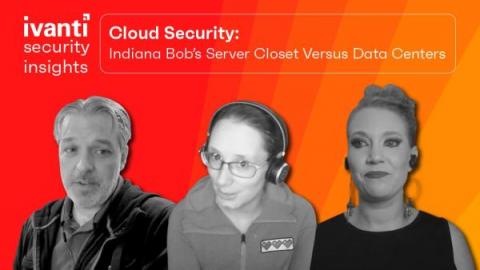
Amanda and Chris share stories proving why your data really is more secure in the cloud than the average on-premises server closet – and what organizations should worry more about when it comes to data security.