The latest News and Information on DevOps, CI/CD, Automation and related technologies.
Elastic Observability 7.16 introduces curated data exploration views for ad hoc analysis and further extends visibility into complex and distributed systems with the general availability (GA) of dozens of prebuilt Elastic Agent data integrations, observability tooling for continuous integration and continuous delivery (CI/CD) pipelines, and a new native data source integration with Amazon Web Services (AWS) FireLens. These new features allow customers to.
Today we're joined by CTO and Co-founder of LaunchDarkly, John Kodumal. LaunchDarkly is a feature management platform that gives developers total control of their code so that they can ship quicker, reduce risk, and reclaim their nights and weekends. We're going to talk about why having tools that help devs build with confidence is essential to a successful DevOps culture and John's top tips for enterprises who are early in their DevOps adoption.
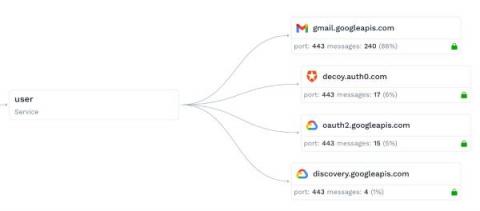
Building, running and scaling SaaS demo systems that run around the clock is a big engineering challenge. Through the power of traffic replay, we scaled our demos in a huge way. A few weeks ago we launched a new demo sandbox. This is actually a second generation version of our existing demo system that I built a few months ago (codename: decoy). Because the traffic viewer page shows the most recent data by default, you need to constantly be pumping new data in there. Any type of real-time SaaS system is going to have a similar requirement. So this needs to be planned.
Cloud computing has many benefits. But there are also challenges, and cloud cost management may be one of the biggest. Here are 49 stats, benefits, and hard truths you need to know about cloud cost management, along with tips and requirements to help you take control and keep your spending in check while delivering on all the value you’re looking for.
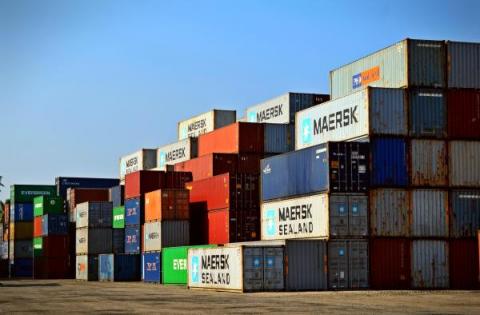
Since I wrote Launch Ubuntu Desktop on Google Cloud last week, I kept thinking about putting Ubuntu Desktop into containers. A container is an independent unit of software packages and their dependencies so that the application on the container can run reliably in different computing environments. Docker, an open-source project launched in 2013, made Container technology popular all over the world in just a few years. Why? Let’s compare Containers and Virtual Machines.
It’s that time of the year again: many folks are panic buying cans of windscreen de-icer spray and thermal underwear, bringing pine trees into the front room and preparing to enjoy an extended break with the family. So we thought to ourselves, what better time than now to take a look back at the year gone by on the Canonical Data Platform?
We are happy to announce that MAAS 3.1 has been released. Bare-metal provisioning just got even easier! MAAS 3.1 brings some of the most frequently-requested features into the product. A lot of this is serendipity — or maybe you could say that it’s about like minds tracking the same problem. Either way, we’re doing our best to provide features that match our users’ needs, as soon as we possibly can.
In any enterprise, IT or otherwise, infrastructure monitoring and management are extremely crucial. A drop in performance or a failure of a machine can lead to significant delays. For that reason, there’s a constant need for eyes on the overall infrastructure to ensure smooth operations. One of the best ways to gauge the overall health of infrastructure is by monitoring key performance indicators (KPI).