These days technology is essential for businesses as their clients only want the best technology. Moreover, competition is high and having the best technology is significant for running daily operations successfully. Therefore, when an organization is equipped with a lot of assets in order to keep them maintained. In the market, there are several technologies available for effective asset management such as Barcode, QR Code, RFID, GPS, BLE, NFC, IoT, etc.
The impact of ransomware attacks on healthcare is as alarming as it is under-addressed. These attacks on the United States healthcare system alone are causing an annual burden of nearly $21 billion, including well over $100 million in ransoms. While the financial costs help illustrate the scale of the problem, the true cost is the tragic reality of impacted patient care – including higher patient mortality rates.
I’m Donatien, co-founder of Blecon, where we provide device connectivity to the Internet using only Bluetooth. In my previous lives working in the IoT division at Arm and my previous start-up, our teams constantly wrestled with debugging firmware bugs on remote devices.
There are a number of challenges to surmount for enterprises in the IoT sector, including having a short time to market, airtight security, a versatile update mechanism for hardware and software and mastering device management. The more planning and practical steps that are taken to address key considerations, the faster an IoT project can get to market and make an impact on the world.
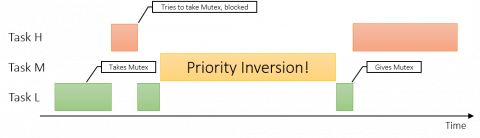
The use of a Real-Time Operating System (RTOS) is increasingly common in embedded software designs. An RTOS makes it easy to divide your code into smaller blocks, tasks, which execute seemingly in parallel and independent of each other, as described in the first article in the RTOS 101 series.
Firmware update capability has become a must-have for most devices. Whether to add new features after launch, fix bugs, or urgently patch a security hole, firmware updates gives modern teams the flexibility they need to move fast and react to a changing environment. I’ve written at length about firmware updates in the past, including on Interrupt with a Firmware Update Cookbook and a post about code signing, and even recorded a webinar on the topic.
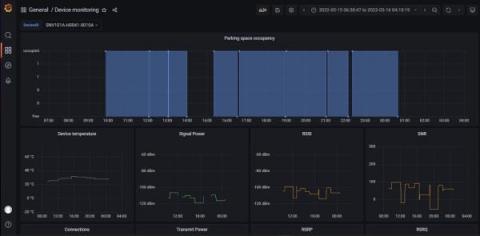
For smart cities of the future, monitoring infrastructure metrics like fuel and water levels is vital to optimizing operations. Fuelics PC designs and deploys battery-operated narrowband IoT (NB-IoT) sensors that monitor fuel, water, waste, and even parking capacity at the edge, then transmit that data to the cloud for easy viewing and monitoring.