Operations | Monitoring | ITSM | DevOps | Cloud

Secure Connections with Environment-Level VPNs

At Cycle, we've taken a distinctive approach to VPN services, integrating them at the environment level of our platform. In a landscape where complexity can escalate quickly, anchoring each VPN to an environment–a VPC spanning the nodes of a cluster– simplifies management and maintains a high level of isolation.
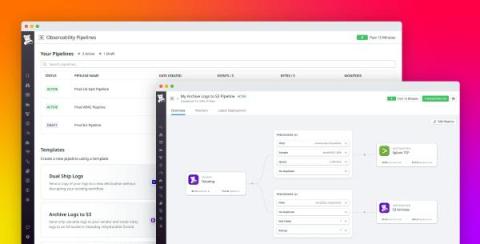
Aggregate, process, and route logs easily with Datadog Observability Pipelines

The volume of logs generated from modern environments can overwhelm teams, making it difficult to manage, process, and derive measurable value from them. As organizations seek to manage this influx of data with log management systems, SIEM providers, or storage solutions, they can inadvertently become locked into vendor ecosystems, face substantial network costs and processing fees, and run the risk of sensitive data leakage.

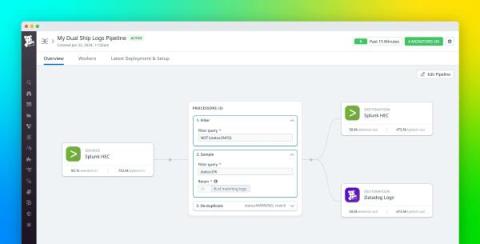
Dual ship logs with Datadog Observability Pipelines

Organizations often adjust their logging strategy to meet their changing observability needs for use cases such as security, auditing, log management, and long-term storage. This process involves trialing and eventually migrating to new solutions without disrupting existing workflows. However, configuring and maintaining multiple log pipelines can be complex. Enabling new solutions across your infrastructure and migrating everyone to a shared platform requires significant time and engineering effort.

Top 10 Ways to Reduce IT Cost Through Observability

Today, almost every other business is using cloud-native technologies and practices to grow business and increase revenue. No doubt, the modern cloud computing approach offers several opportunities for businesses to grow but it is also creating a new set of challenges. As per a report, SaaS companies spend almost 19% of their total revenue on IT. If not handled these challenges properly, it will erode the anticipated advantages. In fact, many businesses are under high pressure to reduce their IT costs.

7 Strategies to Reduce Website Downtime

Website administrators and business owners know the frustration and potential revenue loss that can come with website downtime. It’s like throwing a party and locking the front door—your guests (or, in this case, customers) cannot get in. To help you keep those digital doors open and the party going, here are some practical strategies you can use to minimize website downtime.

OpsVerse Engineers Discuss Their Favorite Talks from KubeCon 2024

As a company built with open-source, community, and cloud-native technologies at its core, OpsVerse loves attending (and speaking at) CNCF events. And with KubeCon + CloudNativeCon Europe ending a couple of weeks ago, we figured now’s the perfect time to ask some of our engineers which talks they enjoyed the most across KubeCon and in the parallel co-located community days. Here’s what they said.

Protecting Public Health: Strategies for Handling Legionella Outbreaks

Legionella bacteria pose an immediate and serious threat to public health when present in water systems, potentially leading to Legionnaires' disease - an extreme form of pneumonia caused by being exposed to Legionella bacteria. Therefore, effective outbreak management must take place. One key preventive measure used by officials to safeguard their citizens includes legionella water sampling which allows early detection of potential outbreaks within water networks.

How to monitor Apache web server performance metrics

Apache, the world’s most popular web server software, powers an estimated 30.2% of all active websites. Known for its reliability, flexibility, and robust features, Apache has been the backbone of the internet for decades. From small personal blogs to large-scale e-commerce platforms, Apache’s versatility allows it to handle a wide range of web applications with ease.

How Proper Infrastructure Design Impacts Network Reliability

In the digital age, network reliability is paramount for businesses of all sizes. A robust and dependable network infrastructure ensures seamless operations, uninterrupted communication, and efficient data transfer. However, achieving this level of reliability hinges on a well-designed infrastructure that accounts for factors like redundancy, security, and performance optimization. Proper infrastructure design plays a critical role in reducing downtime, mitigating disruptions, and ultimately improving an organization's bottom line.