Operations | Monitoring | ITSM | DevOps | Cloud

Data Loss Prevention and Security Basics You Need to Know

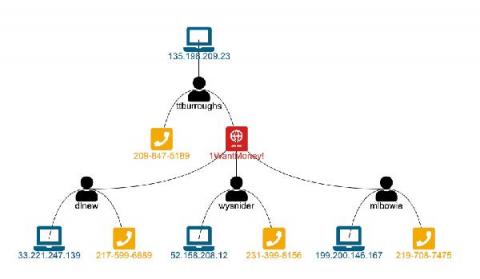
Cyberattacks are the “buzz word” that you hear when a company’s data has been breached. Sometimes the breach results in data being released on the internet. Other times, the hacker holds the data ransom in exchange for a large monetary payout. Data loss prevention and protection should be at the top of your list. Your data, after all, should be considered one of your most valuable business assets.

How to build a security team without becoming the enemy

Unsurprisingly, a lot of people say they don’t like working with security teams. Security teams often have ridiculous requirements, and it can be painful for everyone when releases get delayed. I’ve been guilty of thinking the same thing, so when I was approached at my job at Doximity to build a security team (without prior experience doing so), I knew I wanted to take a different approach.

How InfluxDB Helps Retail Organizations Prepare for the Cyber Five Weekend

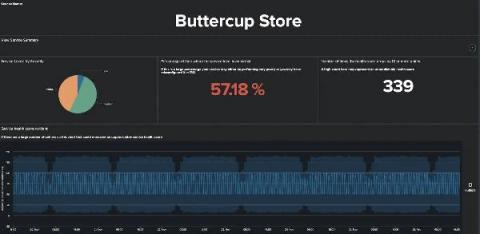
The five-day period from Thanksgiving to Cyber Monday is known as the Cyber Five Weekend (also known as Cyber 5). Forbes estimates that people spent $3.7 billion on Thanksgiving Day in 2018. They approximate that over 165 million people shopped over the entire weekend. This is a 16.5% increase year over year. On Black Friday, people spent $6.2 billion online, with a 23.6% year-over-year growth.

How Uptime.com can Help Improve Internal Documentation

An acquaintance of mine works for a company that still uses Windows XP to manage some internal applications. The higher ups of the company refuse to adopt the new versions, given costs and technical gaps, and it’s created something of a Pandora’s box for employee turnover. With no strong internal reference documentation, each new departure leaves IT wondering two things. This rather amusing conundrum is apparently not an isolated incident.

How to Test Ruby Code That Depends on External APIs

Few things are more frustrating than slow, flaky test suites. You're ready to deploy, wait 20 minutes for CI to run, only to find that a test failure in code you've never touched is blocking you. You dig into the source and find the problem: an external API call. It works (slowly) most of the time. But sometimes the network glitches and it fails. What do you do? In this article, José Manuel shows us several techniques for removing external API dependencies from our tests.

GitKraken Git GUI v7.2: GitLab Issue Tracking Integration

GitLab users will feel even more cunning 🦊 managing your issues directly from GitKraken. The GitKraken Git GUI now integrates with GitLab and GitLab Self-Managed Issues! Now there’s no need to leave the comfortable foxhole of your GitKraken environment to stay on top of your issues. Context switching is, after all, the enemy of an optimal workflow.

Using Dynamic Thresholding to Monitor Your Cloud Platforms

Whether you are new to the Cloud, mid-transition, or a professional at cloud or hybrid systems, no one likes being bothered with useless alerts. The options are simple: If you take the approach of ignoring the alert like a bad cold-call, you risk the chance of missing a critical alert and watching your system crash around you. No one likes to open their inbox to a few hundred alerts they have been ignoring.

Enable suspect commits, unminify JS, and track releases with Vercel and Sentry

If you’re a JavaScript developer there’s a very good chance you’ve heard of or use Vercel. In the small chance you haven’t, Vercel is this awesome platform that makes building and deploying Jamstack frameworks like Next.js incredibly fast and easy. Next.js is gaining in popularity with 51k stars on GitHub and it’s one of the most trusted stacks in the JavaScript world these days.

Monitor and Optimize Your Rancher Environment with Datadog

Many organizations use Kubernetes to quickly ship new features and improve the reliability of their services. Rancher enables teams to reduce the operational overhead of managing their cloud-native workloads — but getting continuous visibility into these environments can be challenging. In this post, we’ll explore how you can quickly start monitoring orchestrated workloads with Rancher’s built-in support for Prometheus and Grafana.