Operations | Monitoring | ITSM | DevOps | Cloud

Introducing relationships for Service Monitors

Understanding a service outage is easier when you can see what it’s connected to. That’s why we’re introducing Relationships for Service Monitors, one of the most requested features from StatusGator’s hundreds of enterprise IT teams. You can now explore related services directly from the Service Details page by opening the Relationships dropdown.

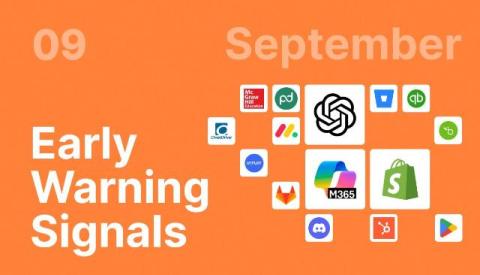
June 2026 Early Warning Signals

June 2026 saw major outages across ecommerce, AI, developer tools, and business applications. StatusGator’s Early Warning Signals surfaced many of these incidents before providers updated their official status pages. Of the 1,067 incidents detected by StatusGator in June, only 191 (17.9%) were eventually acknowledged by providers.

Introducing the StatusGator Confluence integration

We’re excited to announce the new StatusGator Confluence integration. When issues happen, teams need information fast. With the StatusGator Confluence integration, you can embed real-time service status directly into Confluence, making operational updates accessible alongside your team’s documentation and knowledge base.

Monitor metrics now available in the v3 API

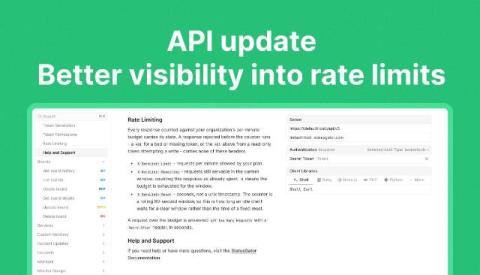
Monitor metrics are now available through the StatusGator v3 API for both Website Monitors and Ping Monitors. These endpoints provide the same latency and performance data available in the Monitor Metrics tab, making it accessible through the API and MCP server. You can find the endpoints in the API documentation.

June 24 Global Shopify outage: Timeline and impact

On June 24, 2026, Shopify experienced a widespread service disruption that affected storefronts, admin dashboards, and merchant access across multiple regions. While the outage did not impact every user, reports quickly surfaced from merchants around the world who were unable to access stores, log in to administrative tools, or complete routine operations.

StatusGator is now available in SharePoint

We’re excited to announce the new StatusGator SharePoint integration. Many organizations use SharePoint as the central hub for company resources, communications, and internal tools. Now, you can add real-time service status directly to your SharePoint pages, helping employees stay informed about outages, maintenance, and service disruptions without leaving the platforms they already use every day.

New: Save time during incidents with incident templates

Creating incidents often means filling out the same information over and over again. That’s why we’ve added Incident Templates – a faster way to create incidents using pre-configured settings. With templates, you can save commonly used incident details and apply them with a single click whenever you need them.

Introducing the StatusGator Notion Integration

Many teams use Notion as the central hub for documentation, runbooks, incident response, and operational planning. When an outage occurs, the last thing you want is for responders to jump between multiple tools searching for information about the health of critical vendors and dependencies. That’s why we’re excited to introduce the StatusGator Notion integration.