The PowerShell Gallery is Down Again... Now What?
What if we could find a way to protect ourselves from Powershell Gallery outages, with a more highly-available option? Well, Adil may have just the very solution for you here at Cloudsmith! 😉


What if we could find a way to protect ourselves from Powershell Gallery outages, with a more highly-available option? Well, Adil may have just the very solution for you here at Cloudsmith! 😉
DX NetOps 22.2 continues to deliver our industry-leading visibility, scale and modern network coverage...now beyond the network edge to quickly and easily isolate end-user experience impact of managed or unmanaged network changes.
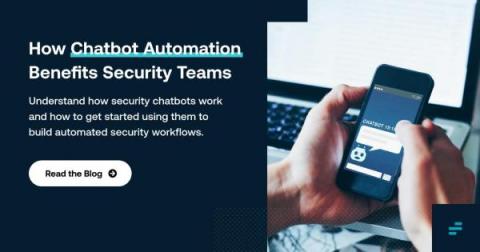
When you hear the term “chatbot,” your mind may at first turn to things like robotic customer support services on retail websites – a relatively mundane use case for chatbots, and one that is probably hard to get excited about if you’re a security engineer. But, the fact is that chatbots can do much more than provide customer support.
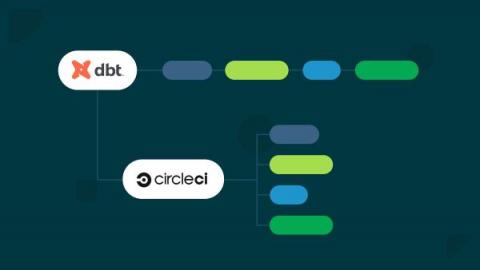
One difficult challenge in the software development cycle is increasing the speed of development while ensuring the quality of the code remains the same. The data world has adopted software development practices in recent years to test data changes before deployment. The testing process can be time-consuming and prone to unexpected errors.
Containers and microservices have revolutionized the way applications are deployed on the cloud. Since its launch in 2014, Kubernetes has become a de-facto standard as a container orchestration tool. In this tutorial, you will learn how to deploy a Node.js application on Azure Kubernetes Service (AKS) with continuous integration and continuous deployment (CI/CD).
Performetriks is a service provider that specializes in assessing and improving application performance and security for enterprise clients. To streamline these processes, Performetriks offers frameworks for automation, benchmarking, and security testing, as well as tools that evaluate and improve application performance. This includes their Composer tool, an on-prem piece of software that allows teams to more efficiently manage monitoring settings by storing, tracking, and managing them as code.