Operations | Monitoring | ITSM | DevOps | Cloud

Put a Stop to Data Swamps with Event-Driven Data Testing

Ensure data quality in your S3 data lake using Python, AWS Lambda, SNS, and Great Expectations. Data lakes used to have a bad reputation when it comes to data quality. In contrast to data warehouses, data doesn’t need to adhere to any predefined schema before we can load it in. Without proper testing and governance, your data lake can easily turn into a data swamp.

Art of Data: Bringing Data to Esports

You may have seen the announcement that Splunk and McLaren Racing have expanded their partnership, which sees Splunk as an Official Global Partner of the McLaren Shadow Esports team and the Logitech McLaren G Challenge. As a budding Esports fan and data enthusiast, it’s really exciting to see these two worlds collaborate and accelerate the virtual racing experience.

Microsoft 365: Are You Flying Blind...and at What Cost?

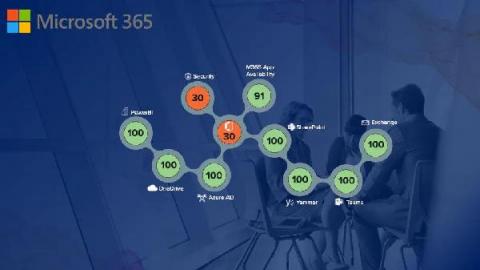
Many organizations today are migrating from on-prem solutions for email / calendar / communications to Microsoft 365. If this is you, this is your productivity cloud across work and life, designed to help you achieve more with innovative Office apps, intelligent cloud services, and world-class security.

Understanding Where You Fit in the Web Performance Maturity Curve

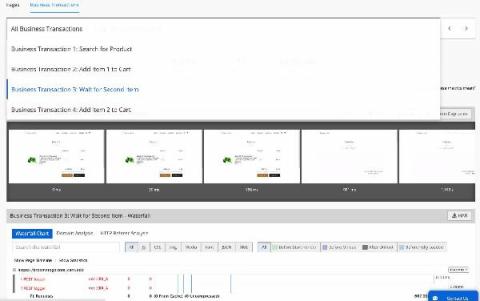
We all know that faster is better. Research and results clearly indicate that faster experiences with fewer errors result in increased usage, conversion, and revenue. With the desire to improve business metrics in mind, organizations often seek immediate improvements in customer experience across digital properties. However, without proper planning and coordination, these attempts consistently fail.

Observability vs. Monitoring: What's the Difference?

People often conflate monitoring and observability, and I can’t blame them. Marketers often use the terms interchangeably. However, monitoring and observability are two fundamentally different but related things. Understanding the differences between the two both technically and intuitively can help you become a better network troubleshooter, architect, and manager. After all, like many buzzwords before it, observability is an important concept if you can get past the fluff.

The Role of Threat Hunting in Modern Security

Security and IT teams may be loathe to admit it, but security has historically been mostly a reactive affair. Security engineers monitored for threats and responded when they detected one. They may have also taken steps to harden their systems against breaches, but they didn’t proactively fight the threats themselves. That is changing as more and more teams add threat hunting as one pillar of their cybersecurity strategies.

Industry global survey from Canonical: 85% of enterprises have yet to cross the chasm to full Kubernetes and Cloud Native adoption

London, UK, June 29, 2021 – Despite high adoption rates of cloud native technologies in recent years, enterprises have yet to cross the chasm to full adoption, but they’re quickly moving in that direction, according to initial results of a first-of-its kind survey released today by Canonical, the publishers of Ubuntu.

TL;DR InfluxDB Tech Tips - Using and Understanding the InfluxDB Cloud Usage Template

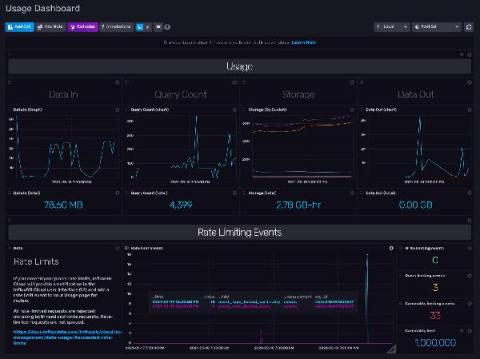
So you’re using InfluxDB Cloud, and you’re writing millions of metrics to your account. Whether you’re building an IoT application on top of InfluxDB or monitoring your production environment with InfluxDB, your time series operations are finally running smoothly. You want to keep it that way. You might be a Free Plan Cloud user or a Usage-Based Plan user, but either way, you need visibility into your instance size to manage resources and costs.

Why companies need URL filtering for enhanced cloud protection

The cloud landscape is rife with unsafe URLs and inappropriate content. This—coupled with the accelerated adoption of cloud applications in the workplace—has created an urgent need to scrutinize and control the use of these online resources to prevent data theft, exposure, and loss. This blog elaborates on how a robust URL filtering solution can help manage what cloud services your employees use and how they interact with these services.