As a mobile game developer, there are many components of your game that you need to monitor. Everything from the servers that are hosting your game, to your best players, and your best-converting actions. That’s a lot of data, and it’s hard to know how to get the most out of that data. This article will look at the KPIs (Key Performance Indicators) you need to monitor, the best tools for monitoring these metrics, and how to handle this data in the most effective way.
Follow these best practices to learn how to get the most out of your Google Cloud and third-party logging infrastructure for the lowest cost.
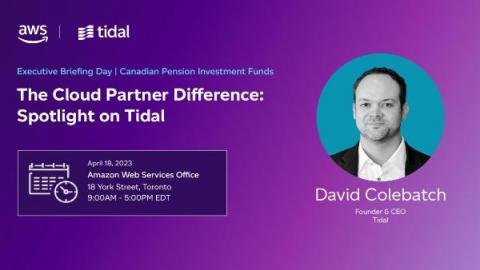
Tidal CEO, David Colebatch, had the privilege of sitting with Marcus Pozzan, Senior Partner Account Manager for ISVs at AWS Canada for the Canadian Pension Investment Funds Executive Briefing Day on April 18, 2023.
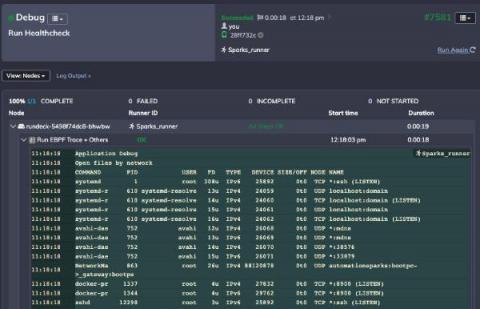
In our previous blogs on Capturing Application State and using Ephemeral Containers for Debugging Kubernetes, we discussed the value of being able to deploy specific tools to gather diagnostics for later analysis, while also providing the responder to the incident the means to resolve infrastructure or application issues.
In the ever-evolving landscape of cloud computing, data redundancy is no longer just an option but a must-have feature for any business looking to fortify its data storage and accessibility. One of the most recent additions to the world of data redundancy is Azure Files’ Geo-Redundancy feature, a 2023 release that’s set to take the world of cloud storage by storm.
As we announced at Cephalocon 2023 in Amsterdam, Canonical has started to make container images for Ceph available. We received lots of questions at the booth about what it means to the average Ceph user who has or wants to deploy Ceph on Ubuntu. In this blog post, we will cover the benefits to users who are running containerised Ceph on Ubuntu, and specifically how these images can provide an improved security posture.