Operations | Monitoring | ITSM | DevOps | Cloud

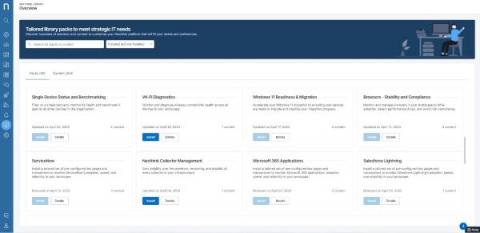
What is the Nexthink Library? An Introduction to Nexthink's Out-of-the-Box Solutions

Customers invest in Nexthink to see, diagnose, and fix problems before they occur, resolve critical disruptions, and improve overall digital employee experience to drive workforce efficiency. But after initial implementation of your new DEX platform, where do you begin? You have a robust set of measured KPI’s that must be achieved to fulfill the business requirements outlined by key leadership stakeholders, and an entirely new platform to learn how to use.
What Is Mobile Device Management (MDM)?

With remote work and bring your own device (BYOD) practices on the rise, mobile device management (MDM) has become a necessity. Using mobile device management, IT teams are able to control, secure, and manage mobile devices, such as smartphones, laptops, and tablets. In this mobile device management (MDM) overview, we will discuss what MDM is, its importance in the IT world, and best practices to follow.

Windows MDM: A Complete Guide

At the moment, Microsoft Windows is the most popular operating system in the U.S., with a market share of 32.63%. Due to the rising bring your own device (BYOD) trends and an increase in remote work, many employees are now using remote Windows devices to access organizational data and carry out business tasks. To protect confidential data and secure these remote devices, organizations depend on Windows mobile device management (MDM).

Mac MDM: What You Need To Know

The Apple vs. Android conversation has been an ongoing debate for years, and it isn’t coming to a conclusion anytime soon. Some businesses choose to use only Android or Apple devices, while others prefer to mix the two. Whether your organization uses Android or Apple, one fact is clear: your IT team will need mobile device management (MDM) to secure and manage your remote devices.

IT Automation Software Guide & Best Practices

94% of SMB (small to medium-sized) businesses state that they perform repetitive and tedious tasks, which can lead to employee stress and burnout. Fortunately, the creation of IT automation software actively works against these undesirable effects. IT automation software is programs and applications designed to perform these repeatable tasks without the need for manual execution.

The Remote Revolution: How to Excel in the New Era of Work

In the face of unprecedented global shifts, businesses are undergoing an inevitable transformation. The Remote Revolution, as it's often referred to, represents a significant shift in the work landscape, propelled by the COVID-19 pandemic. It's not just a momentary shift, but a fundamental change in how we perceive and conduct business. This new era of remote work promises exciting possibilities but also poses challenges that businesses need to skilfully navigate.

What is Digital Employee Experience (DEX)?

Digital Employee Experience (DEX) is crucial today because the modern workplace is becoming increasingly digital. As businesses adopt new digital tools and systems to manage their operations, it is essential that employees have positive experiences with these tools. This is particularly important because employees spend a significant portion of their time at work using digital technologies. The importance of DEX today cannot be overstated.

Top tips: Four new tech trends to look out for (that aren't AI)

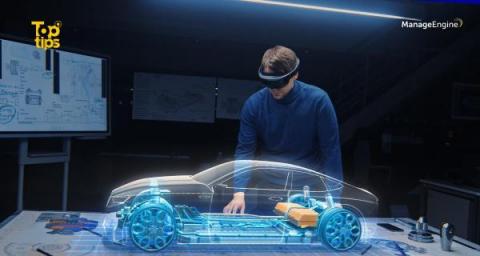
If you’re anything like me, you’re burnt out by all the hullabaloo surrounding AI lately. It just happens to be one of those trending tech topics everyone and their mother wants to talk about these days (case in point: ChatGPT). Truth be told, a lot of this fuss is justified, especially when you consider the incredible developments we’ve seen in the field of AI, to the extent where a lot of things that were once considered impossible have become a reality.