Operations | Monitoring | ITSM | DevOps | Cloud

10 Incident Management Best Practices

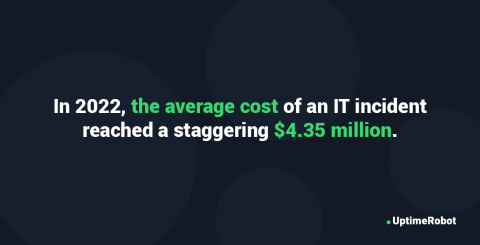
Before we dive into the nitty-gritty of incident management, let’s look a bit closer at the actual meaning of ‘incident.’ In the world of IT service management, the official definition for ‘incident’ is an “unplanned interruption to an IT service or reduction in the quality of an IT service.” Whether that means a slowdown in response time or a total system crash, you’re looking at an incident.


Webinar recap: FinOps for Managed Service Providers

Missed our latest webinar on FinOps for MSPs? We’ve got you covered! This blog post will cover what the FinOps experts discussed and the main things to remember. FinOps are revolutionizing MSP operations by adding a data-driven approach to cost management. This method helps MSPs optimize their cloud usage, provide white-glove support to customers, and give visibility on their expenses.

The 5 Stages of the ITIL Service Lifecycle

The ITIL service lifecycle is a comprehensive framework for introducing ITIL principles into your organization. It provides a solid structure and valuable knowledge to help ensure the quality and effectiveness of IT Service Management practices are met throughout the whole lifecycle of a service. It was originally contained within ITIL v3 and was replaced by the Service Value System (SVS) in ITIL 4.

The Dark Side of DevSecOps and the case for Governance Engineering

For today’s software organizations security has never been more top of mind. On one side there is the present and growing threat of being hacked by malicious actors, set out in Crowdstrike’s recent Global threat report. And, on the other, there is a wave of cybersecurity regulation from the government to mitigate such cybersecurity vulnerabilities.

The Swedbank Outage shows that Change Controls don't work

This week I’ve been reading through the recent judgment from the Swedish FSA on the Swedbank outage. If you’re unfamiliar with this story, Swedbank had a major outage in April 2022 that was caused by an unapproved change to their IT systems. It temporarily left nearly a million customers with incorrect balances, many of whom were unable to meet payments.

Cloud Reverse Migration: A Comprehensive Guide

The rapid technological advancements in the last decade led to a massive migration of data and applications from on-premise environments to the cloud. While this cloud migration trend dominated the IT world, a recent paradigm shift has emerged that’s moving in the opposite direction – ‘Cloud Reverse Migration’ or ‘Cloud Repatriation’.

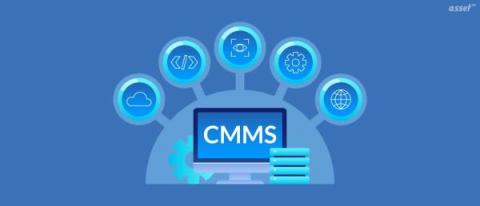
Enhancing Preventive Maintenance Programs with CMMS Software

Computerized Maintenance Management System (CMMS) software is an innovative tool that is used in many industries for managing maintenance operations. It is designed to help businesses streamline their maintenance processes, reduce downtime, and improve the overall efficiency of their operations. CMMS software can be used to track and manage a wide range of maintenance activities, including preventive maintenance, corrective maintenance, and predictive maintenance.

Effective Communication Strategies for Facility Teams

In any organization, effective communication plays a vital role in achieving operational success. Facility teams, responsible for ensuring the smooth functioning of physical infrastructure, face unique challenges due to the diverse nature of their roles. From maintenance and repairs to managing vendors and responding to emergencies, facility teams need to be equipped with strong communication strategies to enhance coordination, streamline processes, and maximize productivity.

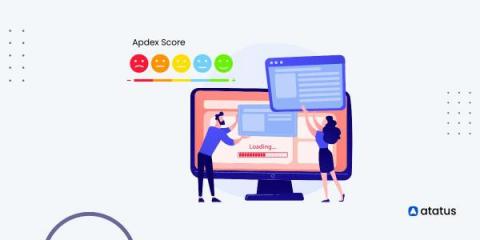
Real User Monitoring - Beginners Guide

Do you know what your website users are really experiencing? Are they satisfied with your website's performance? Are they able to easily navigate and find what they're looking for? Real User Monitoring (RUM) is a powerful technique that can answer these questions and more. By collecting and analysing data on real user interactions, RUM provides valuable insights into user behaviour, website or application performance, and overall user experience.

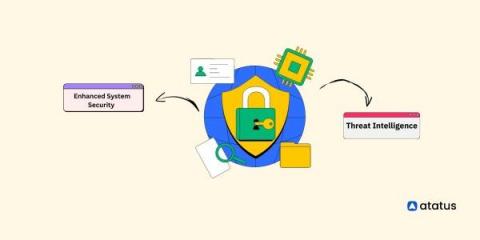
SIEM Tools: For Enhanced Threat Intelligence and System Security

SIEM is an overarching mechanism combining Security Event Management (SEM) and Security Information Management (SIM). It is a combination of different tools such as Event Logs, Security Event Logs, Event Correlation, SIM etc. These work in tandem to provide you an up-to-date threat intelligence infrastructure and enhanced security for your applications and hardware.