Operations | Monitoring | ITSM | DevOps | Cloud

Optimize Kubernetes Performance Part 2: Creating Comparisons

The main idea behind Kubernetes is to create a standardized approach to running containers in the cloud. Whether you’re running AKS on Azure or EKS on Amazon, your cluster should still behave in more or less the same way. But that’s not to say you’re locked in to doing things one way; Kubernetes still offers a lot of flexibility in many cases. This is what experienced engineers take advantage of when trying to optimize Kubernetes performance.


How to reduce developer time to code

Reducing development and testing time is one of the top priorities for software development teams. A reduced development time allows teams to move ahead with projects faster and focus more on testing and refining them, which is especially important for end-user-based projects. This is because UI-UX-heavy projects often need to be put through a rigorous review and refinement process before they can finally be launched for customer use.

Complete Guide on Docker Logs [All access methods included]

Docker logs play a critical role in the management and maintenance of containerized applications. They provide valuable information about the performance and behavior of containers, allowing developers and administrators to troubleshoot issues, monitor resource usage, and optimize application performance. By capturing and analyzing log data, organizations can improve the reliability, security, and efficiency of their containerized environments.

The ultimate guide to scanning Kubernetes workloads using Trivy-Operator

Testing is a vital aspect of security. Unfortunately, there are vulnerabilities that bypass the testing stage and introduce flaws in the production environment. Kubernetes vulnerabilities make more impact when exploited on running applications and production environments. These vulnerabilities can allow hackers to exploit the host machine if the container has escalated privileges.

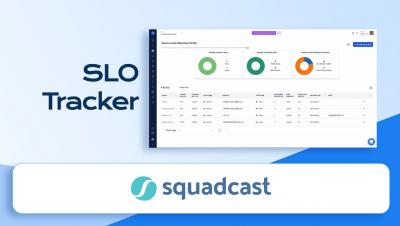
How to Set up SLOs and Configure SLIs in Squadcast | Tracking Error Budget & Burn Rates | Squadcast

This video will help you define and monitor Service Level Objects for your services and also set up and track error budget burn rates in Squadcast. A Service Level Objective (SLO) is a reliability target, measured by a Service Level Indicator (SLI), and sometimes serves as a safeguard for a Service Level Agreement (SLA). SLOs represent customer happiness and guide the development team’s velocity.

Releasing Icinga Director Branches v1.3: Enhanced Branching for Better Configuration Management

If you’re an Icinga user, you already know the importance of having a streamlined and efficient configuration management process. With the release of Icinga Director Branches v1.3, this process just got even better! In this latest version, Icinga Director introduces several enhancements to its branching system, making it even easier to manage and deploy your Icinga 2 configurations.

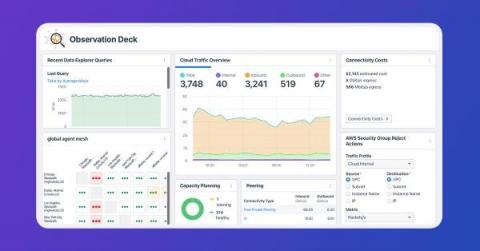
Gathering, Understanding, and Using Traffic Telemetry for Network Observability

Traffic telemetry is the data collected from network devices and used for analysis. With traffic telemetry, engineers can gain real-time visibility into traffic patterns, correlate events, and make predictions of future traffic patterns. As a critical input to a network observability platform, this data can help monitor and optimize network performance, troubleshoot issues, and detect security threats. However, traffic telemetry can be difficult to understand.

The Future of Tech: Exploring AI/ML and ChatGPT

You don’t often see real change, but when you do see it you know it. Artificial Intelligence/Machine Learning toolsets like ChatGPT are finally starting to offer broad capabilities that will benefit a mass audience. These tools are moving out of the domain of data scientists and math nerds and into mass markets with a little bit for everyone. The potential reach is awesome and a little scary.