
Operations | Monitoring | ITSM | DevOps | Cloud

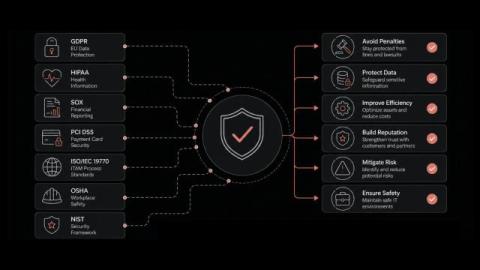
What is Compliance in ITAM? Regulations, Penalties & Best Practices

Managing IT assets smoothly is not an easy task. Organizations depend more on technology to execute their operations these days. Hence, the requirement for effective IT Asset Management (ITAM) has grown considerably. However, beyond merely managing these assets, ensuring compliance with relevant ITAM regulations and standards matters just as much. And, in this race to keep up with changing regulations, you are not alone. Many organizations face the same challenge.
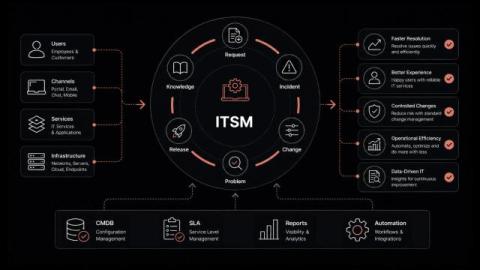
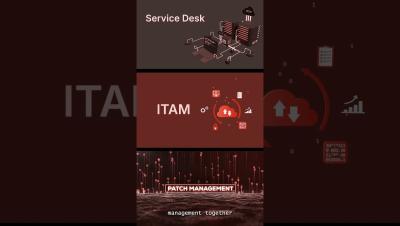
What Is a CMDB, and Why Is It Called the Heart of ITSM?

In this video, discover why a Configuration Management Database (CMDB) is considered the heart of IT Service Management (ITSM). Learn how a CMDB helps IT teams understand dependencies, assess change impact, accelerate incident resolution, and build a reliable foundation for service management processes.

What is IT Service Management (ITSM)? Everything You Need to Know

When a critical application crashes, how does your IT team respond? Is there a documented process everyone follows, or does the outcome depend on who happens to be available at the time? Without structured service management, responses often vary from one situation to another. hat inconsistency leads to delays, missed handoffs, and slower resolution of issues. Requests become harder to track, and recurring problems continue to disrupt day-to-day operations.

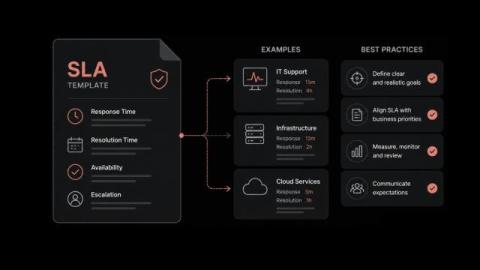
Service Level Agreement (SLA) Templates: Examples, Metrics, and Best Practices

How quickly should your team resolve a critical ticket, and what are the consequences when it misses the target? That is exactly where Service Level Agreements (SLAs) come into play. An SLA turns service expectations into measurable commitments by defining clear response and resolution targets. Rather than starting from scratch, an SLA template provides a structured foundation for establishing those commitments and tracking performance against agreed standards. Why does that matter?

3 Signs Your Network Monitoring Is Failing You

Are users reporting issues before your monitoring tools do? Are critical alerts getting lost in the noise? Does root cause analysis take hours instead of minutes? These are 3 signs your network monitoring is failing. Discover how modern observability helps teams detect issues faster and resolve them with confidence.

Why Does Network Topology Decide How Fast Your Network Recovers?

In this video, learn why network topology plays a critical role in network resilience, troubleshooting, and recovery. Discover how understanding network dependencies, eliminating single points of failure, and maintaining clear visibility can help IT teams reduce downtime and accelerate incident response. In this video, you'll learn.

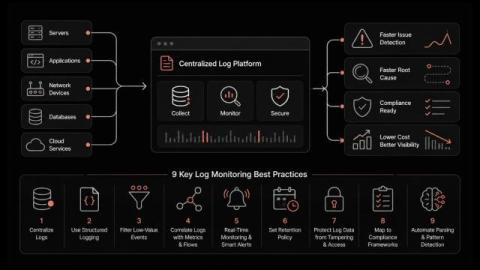
9 Powerful Log Monitoring Best Practices to Follow in 2026

How many of your last five incidents were already sitting in the logs before anyone noticed? Most teams already collect more than enough log data. The problem starts with what happens next, and the same four gaps show up almost everywhere: This guide covers the log monitoring best practices that close those gaps. It walks through how to collect, structure, correlate, retain, and secure logs, so monitoring becomes a steady process and not a scramble during the next incident.

How to Reduce MTTR: 5 Proven Strategies for Enterprise IT Teams

Every minute of downtime impacts your business. Mean Time to Resolution (MTTR) measures how quickly your team can resolve incidents and restore services. In this video, learn 5 proven ways to reduce MTTR using unified observability, AI-powered alert correlation, automated runbooks, and ITSM integration to resolve incidents faster and minimize downtime. In this video, you'll learn.

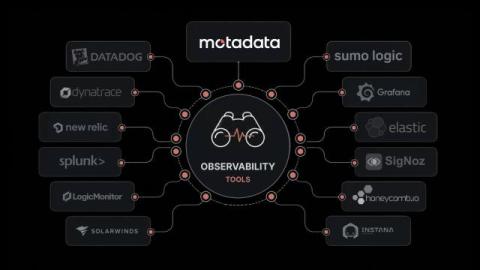
13 Best Observability Tools in 2026 [Top-Picked]

How many tools does your team open before anyone can say why production is slow? If the answer is more than two, you are paying for that gap in engineering hours every week. We understand the frustration. So we did the research work for you to help you pick the best observability tools.