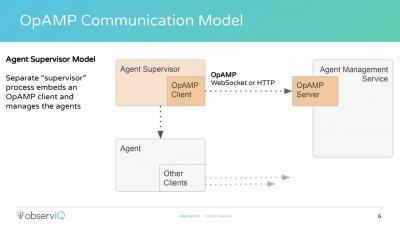
Developing a strategy for collecting application-level logs necessitates stepping back and looking at the big picture. Engineers developing the applications may only see logging at its ground level: the code that writes the event to the log—for example a function that captures Warning: An interesting event has occurred! But where does that message go from there? What path does it travel to get to its destination?
Puppet 6 brought the ability to defer functions to runtime on the agent, and now we've released improvements that make this easier to do. Read on to find out more and to make sure your modules are ready to be deferred.
What happens when employees leave jobs they’ve had for years in order to pursue new opportunities – and then realize they’ve made a mistake? That’s the question many workers are faced with in 2022, as the Great Resignation has paved the way for a new trend in the labor market: the Great Regret. In 2021, when the job market restabilized more than a year after the pandemic began, we saw a massive uptick in workers leaving their employers for new jobs.
In today's business and IT environment, marked by constant change and transformation, if you’re a managed service provider (MSP), you are probably struggling to keep up. You’re faced with the need to modernize your operations, but the speed at which you can do so is constrained by years of accumulated complexity and chaos.
When an incident inevitably occurs, many organizations have a well-prepared incident management team that springs into action. Whether it’s a power outage or security breach, an incident can damage your company’s operations if not handled properly. A strong incident response team is critical to mitigating any negative impacts successfully. Furthermore, once your team resolves the problem, you should initiate a postmortem to detail the incident and record any lessons learned.