Kubernetes is now the de-facto standard for container orchestration. With more and more organizations adopting Kubernetes, it is essential that we get our fundamental ops-infra in place before any migration. In this post, we will learn about leveraging Jenkins and Spinnaker to roll out new versions of your application across different Kubernetes clusters.
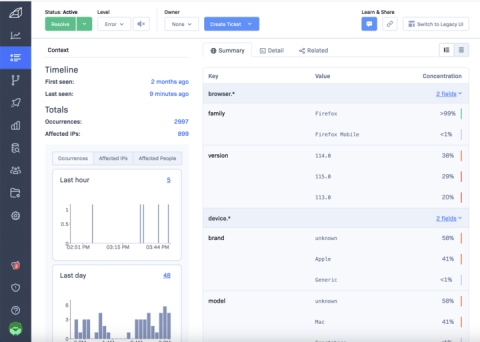
At BugSplat, we have a unique view of how uncaught crashes can impact individual teams (and entire companies) through our work building tools to find and fix bugs in live applications. We've seen firsthand the difference it can make when teams have a workflow for reporting every defect that makes it into production and when they don't.
This blog dives into detail about one of StackState’s most unique and powerful features, Kubernetes dependency maps. Dependency maps are Kubernetes service and infrastructure maps, enhanced with real-time topology, that show dependencies between all components at any moment in time.
As workload automation environments become more complex and job volumes increase, the need for true observability is becoming an increasingly essential and critical component for optimized automated business process delivery. Most organizations run several automation engines from different vendors in both distributed and mainframe environments, and in the cloud. Sometimes these automation engines operate in a silo, sometimes they have dependencies with each other.
How does Netdata's machine learning (ML) based anomaly detection actually work? Read on to find out!
C# is a powerful programming language, but like all code, comes with its fair share of errors. Even experienced developers can find themselves stumped when they encounter a strange exception or error code. Fortunately, with the right knowledge and techniques, you can tackle any C# exception. In this article, we’ll discuss some of the most common exceptions in C# programming and how they can be fixed.