00:26 Web Checks
00:31 HTTP(S) Check
01:13 Transaction Check
01:45 API Check
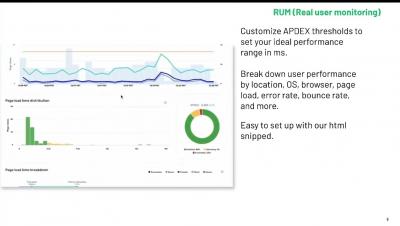
02:38 RUM Check
03:12 Malware and Virus Checks
03:37 SSL Check
04:00 Network Checks
04:04 WHOIS/Domain Expiry Check
04:19 DNS Check
04:43 Ping (ICMP) Check
04:59 NTP Check
05:22 SSH Check
05:34 TCP/UDP Port Checks
05:54 Email Checks
05:59 IMAP, POP, SMTP and Domain Blacklist Checks
06:37 Custom Checks
Let's start with the bottom line: When we upgraded to Elasticsearch 7.15 last year, our internal observability clusters saw a reduction in inter-node traffic from 464TB to 204.5TB per day. We monitored this reduction through subsequent upgrades and noticed its impact on our data transfer and storage costs. So here it is: upgrading saved Elastic $3,500 per day, or approximately $100,000 a month, or $1.2 million annually.
We’re introducing AppScope 1.0 with a series of stories that demonstrate how AppScope changes the game for SREs and developers, as well as Infosec, DevSecOps, and ITOps practitioners. This blog is the second of two Infosec stories. For both Part 1 and Part 2, Randy Rinehart, Principal Product Security Engineer at Cribl, contributed extensively.
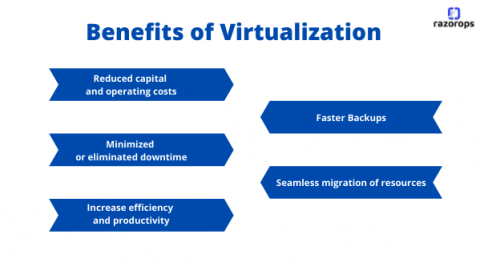
Virtualization uses software to create an abstract layer over the hardware. By doing this it creates a virtual computer system, known as the virtual machines (VMs). This will allow organizations to run multiple virtual computers, operating systems, and applications on a single physical server How Does Virtualization works: Virtual machine (VM) is a virtual representation of a physical computer.Virtual machines can’t interrelate directly with a physical computer, but.
Before automation became commonly used by software development teams, bottlenecks, repetitive tasks, and human error were rampant. Automation has freed up valuable human resources for organizations while reducing the risk of human error caused by active human brains trying to perform mundane repetitive tasks. Recent strides in the area of continuous integration and continuous deployment (CI/CD) have made it more feasible to automatically deploy updates to software applications.
Most developers care about building the next big thing. Automating your build, test, and release processes allows you to maintain focus on innovating and delivering value to your users. By combining the power of best-in-class CI/CD workflow orchestration with managed environments-as-a-service, developers can stay focused on building what’s next.