As mentioned in a previous post, at Grafana Labs we make heavy use of Tanka and the Jsonnet programming language to manage our Kubernetes infrastructure. One of the benefits of the use of Jsonnet is the depth of collaboration that it allows with others outside of your company. For example, the open source prometheus-ksonnet library can be used to install both Prometheus and Grafana.
Customer support teams are a crucial part of any enterprise service, and in the world of Governance, Risk, and Compliance (GRC) Software, these teams need to be focused on supporting critical customer needs, not troubleshooting application errors that have reached the customer. Sentry has proved to be a pivotal part of the toolset for industry-leading GRC software company Reciprocity.
Join me on my Azure Monitor journey as I learn all there is to know about the platform. Check out my intro note here for a brief series overview and a bit about me (tl;dr former SCOM admin, avid tech blogger, SquaredUp tech evangelist). We’ll start with the basics and dive deeper as we go along. Buckle up, your journey to becoming an Azure Monitor superhero starts here!
Kubernetes has seen an incredible rise over the past few years as organizations leverage containers for complex applications, micro-services and even cloud-native applications. And with the rise of Kubernetes, DevOps has gained more traction. While they may seem very different — one is a tool and the other is a methodology — they work together to help organizations deliver fast. This article explains why Kubernetes is essential to your DevOps strategy.
Snyk is a developer-centric company whose raison d’être is to identify and patch vulnerabilities in open source security software. With about 50 engineers, Snyk VP Engineering Anton Drukh wants to maintain flexibility in how the team operates. The best way to ensure that is to give them as much insight into their own work as possible, and hence options. They also look at the state of open source security across the industry.
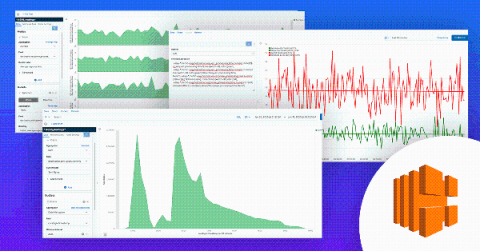
Amazon ELB (Elastic Load Balancing) allows you to make your applications highly available by using health checks and intelligently distributing traffic across a number of instances. It distributes incoming application traffic across multiple targets, such as Amazon EC2 instances, containers, IP addresses, and Lambda functions. You might have heard the terms, CLB, ALB, and NLB. All of them are types of load balancers under the ELB umbrella.
In the first post of this series, we looked at the state of your organization, how to tell if Microservices are right for you, and wrapped up with a few challenges this architecture brings to the table. In this article, we will look at organizational changes that will help you adopt a Microservice architecture. Additionally, we will touch on topics like how to bring change to your organization, how to embrace the primacy effect, and why you should embrace cross-functional teams.
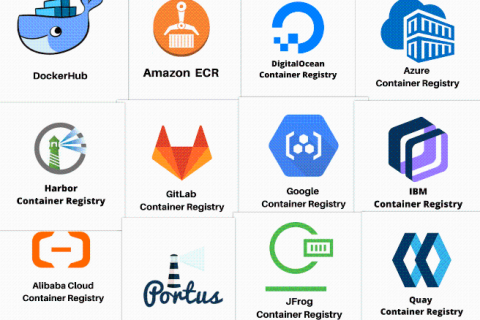
Container registry is a repository for storing docker images or container images, A container image, comprised of multiple layers, an image is essentially built from the instructions and executable version of an application.
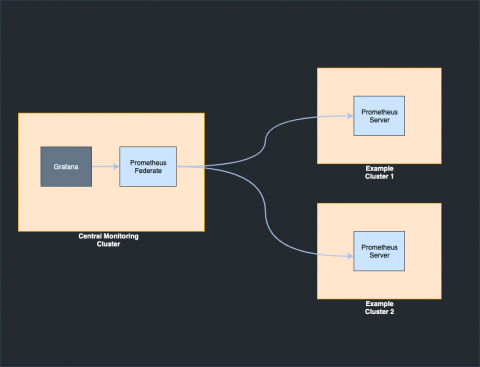
Monitoring the state of your clusters is an effective way to discover bottlenecks in your multi-cluster production environment. It is one of the key challenges that development teams are facing and factors such as the team experience as well as the number and distribution of the applications can make things even more complex. Better monitoring can help identify single points of failure.