Operations | Monitoring | ITSM | DevOps | Cloud

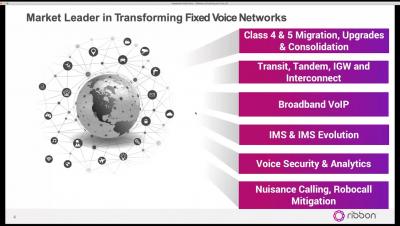
Virtualizing the Core Network

Service Providers are virtualizing their core networks in an effort to offer premium quality services with reduced resources, costs, and faster time to market. As the industry moves towards 5G, opportunities to advance the virtualization of fixed voice core networks and moving forward on a path to an increasingly cloud-native future enables service providers to gain a competitive edge in the marketplace.

JFrog & Lightrun Webinar: Continuous Observability & Continuous Debugging

Join JFrog’s Baruch Sadogursky and Lightrun’s Tom Granot as they investigate how high-performing engineering teams remain agile throughout the entire software production lifecycle, from development through deployment and all the way to observing and maintaining high-quality production systems at scale.

Is Your ITAM Strategy Ready for 2021?

IT asset management (ITAM) is one of the most crucial strategies for businesses to practice. If 2020 had you shuffling monitors and laptops all over the country, 2021 isn’t going to make things any easier. Next year looks to bring all new sets of challenges for tracking, maintaining, and budgeting for the assets that your IT organization has not had their hands on in almost a year.

New SAML Group Mapping Support

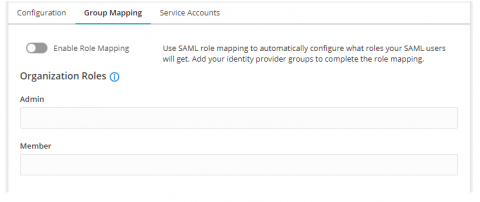
In July, we rolled out SolarWinds® Papertrail™ support for SAML v2.0. SAML authentication allows you to log into your Active Directory® domain or intranet and have immediate access to Papertrail, with no additional login required. Today we’re extending Papertrail SAML 2.0 support to include group mapping. Group mapping allows you to define organization and product roles, and grant access to logs and billings plans, by adding an account to an identify provider group.

Aggregating Hosted DigitalOcean Logs to Papertrail

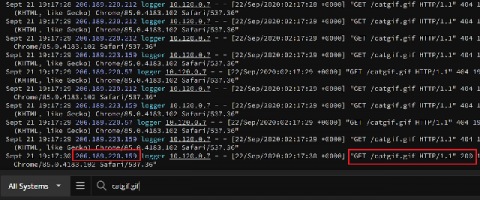
DigitalOcean droplets provide low-cost scale from a popular server provider. With DigitalOcean Monitoring, you can collect metrics for visibility, monitor Droplet performance, and receive alerts when problems arise in your infrastructure. But when you need to deep dive into your application to debug an issue, resolve an incident, or identify opportunities to improve your platform, you need a deep understanding of the underlying operating system and how it interacts within its environment.

Why Predict When You Can Prevent?

In the evolving world of IT monitoring, I see that many organizations want to move to predictive monitoring. They usually allocate a significant budget for this type of effort that ultimately fails to yield the desired return on investment. Often, organizations are already collecting and processing large amounts of IT telemetry streams and using multiple solutions to monitor their systems. So, predictive monitoring seems like the logical next step.