Operations | Monitoring | ITSM | DevOps | Cloud

Serve Dynamic Custom Error Pages with HAProxy

Set up custom error pages in HAProxy to ensure consistent, branded messaging that supports any backend web stack. The memory is probably still fresh: You’re shopping online at your favorite website, looking for something specific, you’ve got it narrowed down to two or maybe three products, you make the final decision, click to checkout and then— Internal Server Error. A cryptic error has replaced the page you were expecting. More than surprised, you feel knocked off balance.
Amazon S3 Folders Demystified

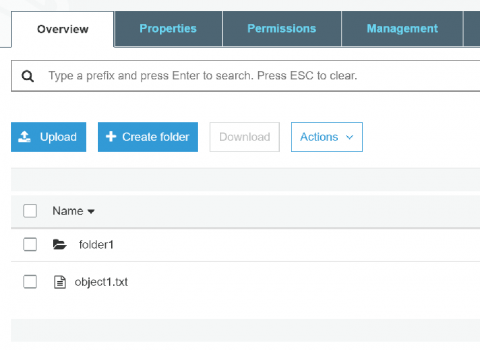
Amazon S3 is a highly-scalable object storage system. Amazon S3 can contain any number of objects (files), and those objects can be organized into “folders”. However, to S3, folders don’t really exist. huh? That’s right. “Folders” are a human concept, applied to S3 keys for organizational purposes. But they’re nothing special to S3 itself. Before we begin, forget everything you know about the S3 Management Console.

You spoke, Microsoft listened. Ignite 2020 SCOM takeaways

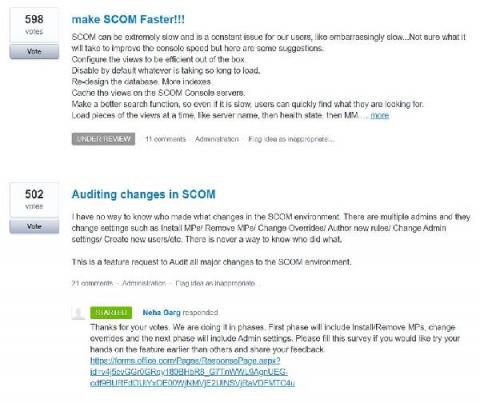
Have you ever looked at SCOM on User Voice - Microsoft’s way of collecting feedback on what end users have to say about SCOM and its future? Well good news, the top 2 items are going to be addressed! At Ignite 2020 - System Center session, Dianna Marks (SCOM Product Marketing Manager) told us Microsoft have heard your feedback and will be taking action.

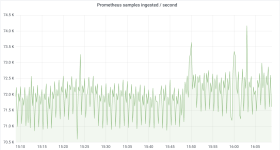
New in Grafana 7.2: $__rate_interval for Prometheus rate queries that just work

What range should I use with rate()? That’s not only the title of a true classic among the many useful Robust Perception blog posts; it’s also one of the most frequently asked questions when it comes to PromQL, the Prometheus query language. I made it the main topic of my talk at GrafanaCONline 2020, which I invite you to watch if you haven’t already. Let’s break the good news first: Grafana 7.2, released only last Wednesday, introduced a new variable called $__rate_interval.

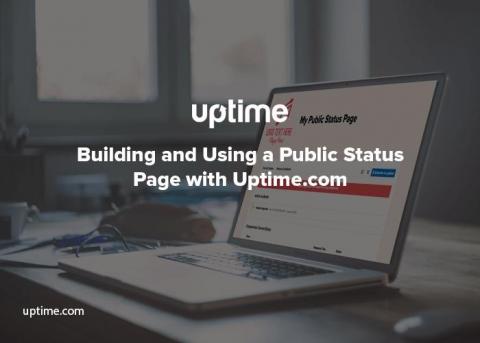
Building and Using a 2020 Status Page with Uptime.com

A hosted status page gives you the peace of mind that users can always answer one simple question: is it up or down. Hosted status pages work because they offer third-party confirmation your services are up. If your site goes down, the third party is likely not down and you can use them to refer to your status. Status pages are your personal 24 hour news cycle. Regardless of if you’re up or down, customer service fields fewer support tickets, and users praise your transparency.

Easily view your old queries with Cloud Logging recent queries

As you analyze your logs for application performance, infrastructure errors, system events, and more, sometimes you may need to look back to logs you were previously analyzing to help correlate events and identify the root cause of a problem. To help, we are excited to introduce Google Cloud Logging recent queries, to make it easy to track and run your past searches as you deep dive on your log data.

Webinar | Influencing a diverse and equitable workforce, from startups to the enterprise

In this fresh take on Allyship in the Tech space, Ingrid Hadley from ILH Possibilities and Tucker Callaway, CEO of LogDNA, will discuss the issues that the industry faces from decades of putting diversity, equity, and inclusion on the back burner. The conversation will be moderated by Alexis Ohanian, Co-founder of Reddit and Initialized Capital who is a first-round investor in LogDNA.