Operations | Monitoring | ITSM | DevOps | Cloud

Pre- and post-deployment testing methodologies for CI/CD

Your team has worked hard on a software product for months, and it’s finally ready to release to your users! But then the worst-case scenario happens: a wide release soon indicates that the software is plagued with bugs and performance issues, resulting in poor reviews and widespread user dissatisfaction.


Laying the foundations for a healthier digital future in the NHS

At the end of 2021, we published a blog post about the Autumn budget in the UK, what it meant for IT teams in the NHS, and why data management should be prioritised. We looked specifically at four key areas for sharing, monitoring, protecting, and accessing data that we believe are crucial elements of the digital transformation journey. Digital transformation is part of the NHS Long Term Plan, a wide-ranging programme to upgrade technology and digitally-enabled care across the NHS.

DevOps 101: The role of automation in Database DevOps

This is the fifth part in the DevOps 101 series and it’s time to talk about automation. Before we get into it, I just want to recap what DevOps is. Microsoft’s Donovan Brown sums it up nicely in a single sentence: DevOps is the union of people, process, and products to enable continuous delivery of value to our end users. The important thing to remember here is the order in which he talks: people, process, and products. That’s the way DevOps works.

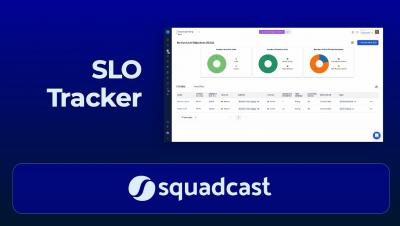
Using Squadcast's SLO Tracker | Error Budget | Setting up SLOs and configuring SLIs | Squadcast

With Squadcast, you can define and monitor Service Level Objects for your services. SLOs allow you to define and enforce an agreement between two parties regarding the delivery of a given service. A Service Level Objective (SLO) is a reliability target, measured by a Service Level Indicator (SLI), and sometimes serves as a safeguard for a Service Level Agreement (SLA). SLOs represent customer happiness and guide the development team’s velocity.

Interrupts in software teams: using unplanned work to your advantage

Interrupts are often seen as a problem that eats away at your team’s productivity, and gets in the way of shipping important things for your customers. It’s often consciously accrued from the tech debt we accept to ship features sooner. However when a team doesn’t have a good strategy for dealing with the consequences of those decisions, the pain is felt much more acutely and much sooner.