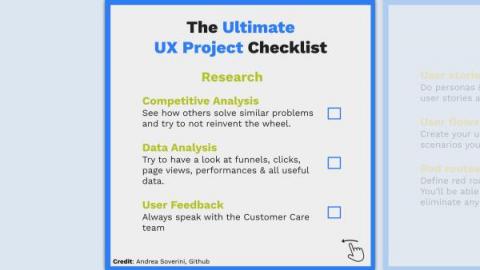
If you’re part of a design team, chances are that you have at times experienced slow-paced product development coupled with a long dev backlog (with limited space for additional tickets from the UX team). But to optimize how the product team (whether PO, UI, UX, or frontend devs) work together, it helps to experiment with useful tools, physical boards, and new processes. For example, here is an exhaustive yet simple UX project checklist.
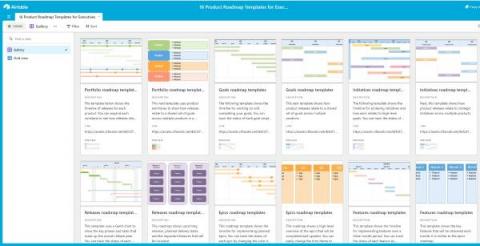
Product roadmap templates make it easy to structure and communicate your product plans. But when considering which template to go with, it is important to think about who the roadmap is for, what you want to communicate, and what information you want to include. So, I put together a list of 16 downloadable Excel and PowerPoint templates that you can tailor to your specific roadmap needs, including.
Multi cloud has long been a contentious topic when you talk about cloud infrastructure. Infrastructure as code tools such as Terraform and Pulumi have made deploying to any cloud much easier - you can now use a single interface to deploy infrastructure to virtually any cloud environment. However, the effort of creating infrastructure for each cloud provider still requires significant expertise and time to get right, leading many to see it as a effort not worth taking.
Kubernetes is today’s leading container management platform, due to its comprehensive API and developer-friendly features. Using Kubernetes, you can create scalable and reliable applications that run on-premises systems and public clouds. Its out-of-the-box features allow it to distribute hundreds of instances over data centers and keep them up and running. In order to catch up with the automation level of Kubernetes, developing and deploying applications requires more autonomy.