Operations | Monitoring | ITSM | DevOps | Cloud

What Is Infrastructure as Code? How It Works, Best Practices, Tutorials

In the past, managing IT infrastructure was a hard job. System administrators had to manually manage and configure all of the hardware and software that was needed for the applications to run. However, in recent years, things have changed dramatically. Trends like cloud computing revolutionized—and improved—the way organizations design, develop, and maintain their IT infrastructure.

How to Authenticate Access to the JFrog Platform through Your IDE

JFrog’s IDE integrations such as IntelliJ and VS Code, allow developers to work with the JFrog Platform right from within their existing dev environment. By leveraging the advantages of JFrog’s features, developers can develop, build, and deploy applications quickly and securely. Large organizations working with the JFrog Platform, can now easily use a SSO (single-sign-on) login to authenticate access, directly from within IntelliJ IDEA and VS Code.

The Psychological Impact of Website Downtime on User Trust and Brand Perception

Website downtime refers to the period when a website is inaccessible or experiences disruptions, resulting in users being unable to access its content or services. In today's digital landscape, websites are crucial to business success and user engagement. The reliability of a website is paramount as it directly affects user experience and brand perception. User trust is the foundation of any successful online interaction.

Network Observability Across the Enterprise

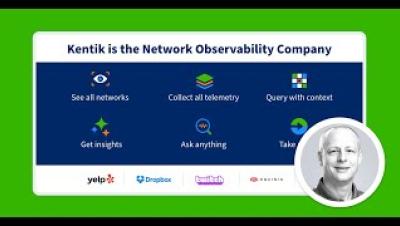
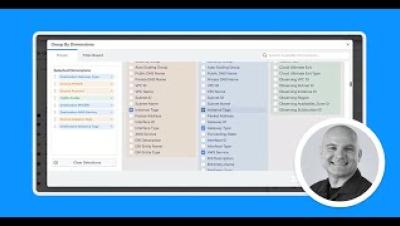
Justin Ryburn describes the complexities of managing a modern enterprise network and the various areas where Kentik can provide observability. Having all of this information in a single platform that is easy to access and highly scalable provides a lot of value to Kentik customers. Justin wraps up with a discussion of Kentik’s roadmap for the future.

Container Network Observability

Justin Ryburn describes the complexities of managing the network in a modern Kubernetes deployment and how Kentik can provide observability. Leveraging eBPF technology allows network engineers the ability to visualize and make sense of the network traffic within the Kubernetes cluster, as well as traffic entering and leaving the cluster. Justin wraps up with a brief demo of Kentik’s beta Kentik Kube functionality.

Data-driven Network Observability

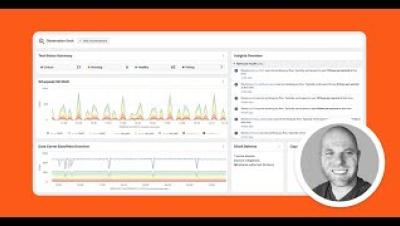
The network may be the last thing most people think about, but it’s one of the most crucial components of application delivery. Here we discuss the importance of a data-driven approach to network observability. We unpack how Kentik’s approach to machine learning, big data, and a unified data repository can help network operations solve problems faster to ensure a reliable network with great application performance.

Is your cloud provider executing network maintenance? Yes, yes they are.

What happens to your apps when your cloud provider performs network maintenance? Kentik helps you monitor your app’s network paths and performance on premises, in the cloud, and in between. Kentik can show you the paths your app uses during normal operations and detect any changes that could cause decreased application performance. Public cloud maintenance is necessary, and with Kentik’s network observability platform, you can see exactly when your cloud provider is doing it and how it’s affecting your application traffic.