Operations | Monitoring | ITSM | DevOps | Cloud

Transformation in Travel: Our Q&A with TUI's Head of Technology

The travel industry is experiencing an unprecedented surge in demand from people seeking adventure and eager to explore new destinations. Given an abundance of choice and the desire to have a personalized experience, customers are turning to tour operators to remove complexity from planning so they can focus on the holiday and not on the process of planning it.
Microservices on Kubernetes: 12 Expert Tips for Success

In recent years, microservices have emerged as a popular architectural pattern. Although these self-contained services offer greater flexibility, scalability, and maintainability compared to monolithic applications, they can be difficult to manage without dedicated tools. Kubernetes, a scalable platform for orchestrating containerized applications, can help navigate your microservices.

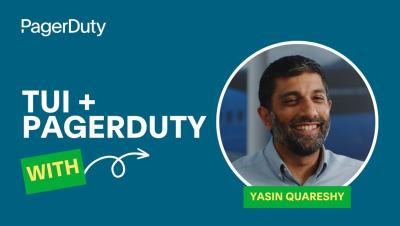
TUI Powers Outstanding Digital Experience for Customers with the PagerDuty Operations Cloud

PagerDuty Operations Cloud is essential infrastructure for TUI, enabling agility and cost efficiency to deliver outstanding digital experiences for customers. With PagerDuty’s AI and automation capabilities, TUI has streamlined incident management—reducing downtime and boosting customer bookings. Hear more in this video from Yasin Quareshy, Head of Technology at TUI.

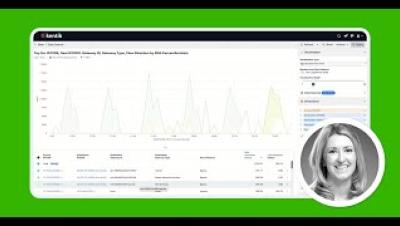
See How Kubernetes Traffic Routes Through Data Center, Cloud, and Internet with Kentik Kube

Using Kentik Kube, cloud and infrastructure engineers can access detailed network traffic and performance visibility for internal and external traffic for their Kubernetes clusters to quickly detect and solve network problems.

Solving Faster in the Cloud Hybrid Infrastructure Observability with Kentik

How can you quickly discover misconfigured security groups, access control lists, or routing tables? We explore how practitioners serving distributed teams or customer workloads can tighten up policies, impact costs, and unblock their colleagues with cloud infrastructure observability that starts with the network.

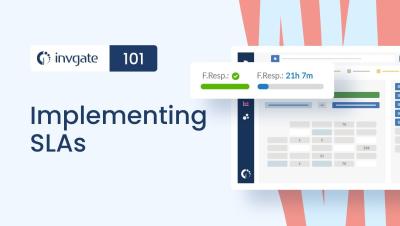
How to Implement SLAs to Deliver Consistent Service Across Your Business

Simply put, Service Level Agreements are contracts between service providers and clients that detail the nature of services provided, their quality, and performance metrics. Their main goal is to align the services provided with those required by the client and typically include measures to take if the service provider fails to meet the agreement. SLAs have multiple benefits, including: Service Level Agreements are a crucial part of ITSM and thus need to be integrated into service desk software.