Voice over IP (VoIP) technologies and solutions have been widely adopted by consumers, businesses and service providers since the mid-2000s, but the rising popularity of remote work means businesses of all sizes are even more rapidly turning to VoIP for voice calls.
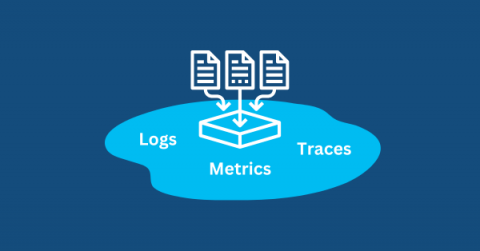
There’s a reason everyone dreads debugging, especially in today’s complex cloud systems: it’s at the high stakes nexus of nervous senior management, overworked engineers, neverending rabbit holes, copious buckets of time, and fickle customers.
Back in January, the Cybersecurity and Infrastructure Security Agency (CISA) issued an advisory notice specifically talking about RMM providers being targeted by cybercriminals. We’ve known that as a group we’ve been a target for a few years, with the bad guys continuing to look at the RMM solution providers as a route into small businesses, because there are still dollars to be made there.
End-to-end visibility into pipelines is crucial for ensuring the health and performance of your CI system, especially at scale. Within extensive CI systems—which operate under the strain of numerous developers simultaneously pushing commits—even the slightest performance regression or uptick in failure rates can compound rapidly and have tremendous repercussions, causing major cost overruns and impeding release velocity across organizations.
CircleCI supports GitLab as a version control system (VCS). In this tutorial you will learn how to set up your first CircleCI CI/CD pipeline for a project hosted on GitLab. As GitLab can be used either as a SaaS tool, as well as self-managed on-premise installation, I will cover the steps to connect it with CircleCI for both.