For server administrators tasked with ensuring the reliable operation of their web applications, the thought of a lurking cyberattack can be one to lose sleep over. An attack on your system and the services you provide could render your web applications unresponsive. What’s worse, important information that depends on privacy and the careful storing of data is put at risk.
Earlier this month I hosted the “Everything You’ve Heard About Observability is Wrong (Almost)” webinar– thanks to all of you who attended. I wanted to follow-up with the attendees as well as those who were not able to join. As promised, it wasn’t the same old Observability presentation that we have grown accustomed to you know, all marketing with little value.
Splunk and Amazon Web Services (AWS) are celebrating 10 years of strategic collaboration — an incredible milestone which demonstrates our commitment to teamwork, co-innovation and exceptional, data-driven outcomes for our joint customers.
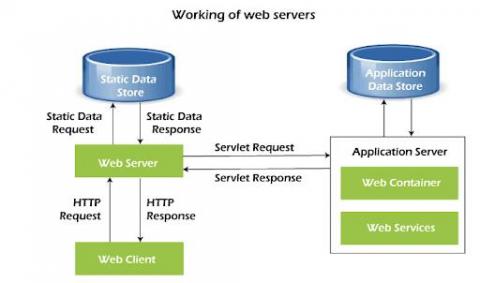
Web servers are among the most important components in modern IT infrastructures. They host the websites, web services, and web applications that we use on a daily basis. Social networking, media streaming, software as a service (SaaS), and other activities wouldn’t be possible without the use of web servers. And with the advent of cloud computing and the movement of more services online, web servers and their monitoring are only becoming more important.
BubbleUp is Honeycomb’s machine-assisted debugging feature and is one of our most powerful differentiators. It leverages machine analysis to cycle through all of the attributes found in billions of rows of telemetry to surface what is in common with problematic data compared to baseline data. This explains the context of anomalous code behavior by surfacing exactly what changed when you don’t know which attributes to examine or index, dramatically accelerating the debugging process.