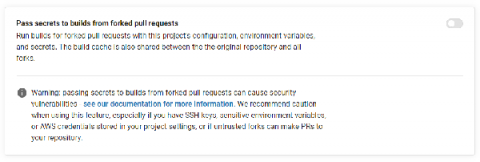
In our previous post, we discussed the recent security incident at Codecov and the following investigation at Mattermost. As a follow-up to that we wanted to share some of the basic design principles as well as a handful of more technical tips and tricks around CI/CD pipeline security that helped Mattermost come out of the incident unscathed.
The Domain Name System (DNS) is at the core of the engine that keeps the internet running. We have explained how DNS works and why it is critical to the functioning of the internet in our Synthetic Monitoring Guide. The DNS resolution relies on various components, such as the DNS resolvers, name servers, authoritative servers, and zone files, to function properly and the process typically takes milliseconds to complete.
Gartner jumps right into it, describing a reorientation of a tool that has previously focused on IT service management and automation. AIOps is now also enabling a variety of new observability use cases for DevOps and Site Reliability Engineering (SRE) teams. This blog presents the guide’s major findings and a link so you can read the report for more details. About the AIOps Platform Market
We're excited to announce the release of two new features this month: customizable Slack incident modals and Incident Tags. Keep reading to more about how they can help your teams manage incidents better!
How do you execute an effective web application availability monitoring? All stakeholders should monitor to ensure that web app’s availability is not compromised. Great design and excellent user experience are put to waste if your web app is not accessible. Let’s establish first how web application monitoring works.