Redis 7 is here
The best Redis® ever - version 7.0 - is now available on the Aiven platform.


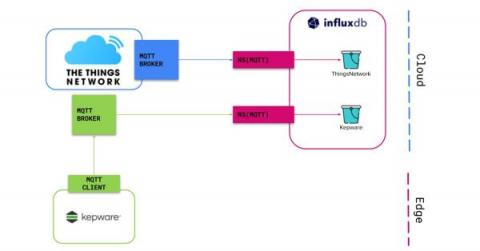
Learn how to deploy InfluxDB Cloud’s Native Collectors with Kepware and The Things Network. Did you hear about the new feature that just dropped to InfluxDB Cloud? Native Collectors! Starting with MQTT. There will be plenty of content to get you started with Native Collectors. So this blog series covers connecting two popular IoT-based platforms to InfluxDB Cloud using native Collectors. One Enterprise use case and one industrial use case.
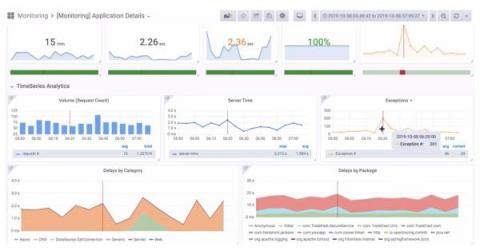
An enterprise IT company hosted a large industry event that drew attendees from all around the globe, including key technology leaders. Organizers knew that their IT offerings needed to be top notch to ensure attendees were happy when it came to event experience. The event application allowed attendees to browse and register for sessions at the event. So, organizers needed to be able to identify issues in real-time and fix them quickly.