Performance improvements to aggregateWindow in Flux
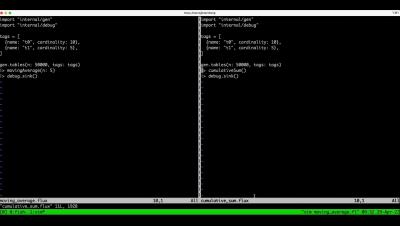
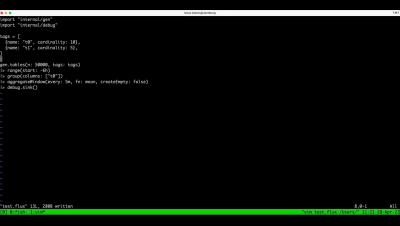
Flux language developer Jonathan Sternberg demonstrates some query performance optimizations being made under the hood that make Flux faster for some of the most common use cases


There are few organizations left today without some of their business operating in the cloud. A recent IDG Cloud Computing Study found that 92% of businesses globally moved to the cloud. According to Gartner, cloud adoption spending will surge to about $482 billion by the end of 2022. Most companies make the move to take advantage of the speed, innovation, and flexibility offered by cloud computing solutions. Operating in the cloud can also provide cost savings and improved productivity.
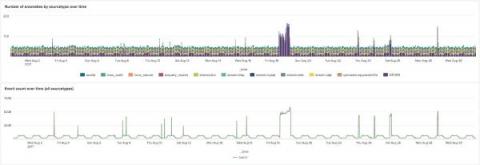
At this point we are well past the third installment of the trilogy, and at the end of the second installment of trilogies. You might be wondering if the second set of trilogies was strictly necessary (we’re looking at you, Star Wars) or a great idea (well done, Lord of the Rings, nice compliment to the books). Needless to say, detecting anomalies in data remains as important to our customers as it was back at the start of 2018 when the first installment of this series was released.
Bigeye is the data observability platform that teams at companies like Zoom and Instacart use to keep their data pipeline fresh, high quality, and reliable. Their customers depend on them to detect problems in their data pipelines 24/7 and to keep data reliable enough for production use cases of analytics and machine learning. In this environment, margins for error are razor thin and waiting for a user to let you know that something isn’t working means it’s already too late.
When it comes to your analytics tools, would you say they’re getting easier to manage overall, or is it increasingly difficult? Can you easily scale to meet new compliance requirements, or is there so much custom work required that the pace of change is too much for your team to handle? Do you feel in control over how and where your observability data flows, or do you feel beholden to your vendors? This blog post will shed light on how you can ease the strain on your downstream systems.