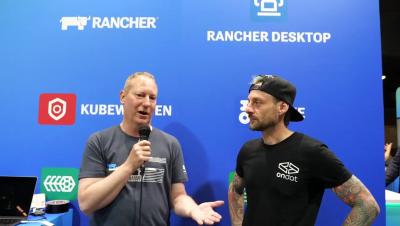
We are talking to Kasten!
Tim and Adam talk about what is new and excited with Kasten and Rancher.


The latest News and Information on Containers, Kubernetes, Docker and related technologies.
The new Charmed Operator covering the Capsule Kubernetes extension allows users of Canonical’s Charmed Kubernetes distribution to automatically install and integrate Clastix Capsule Multi-Tenancy as part of the Kubernetes cluster deployment process.
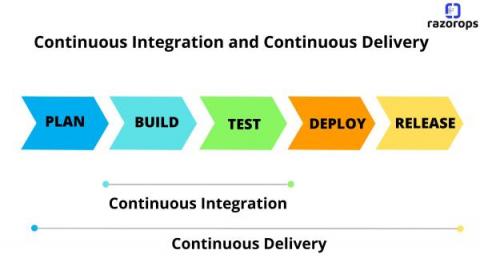
Continuous integration is a DevOps practice, where developers continuously integrate the code changes into a central repository. It most often refers to the build or the integration stage of the software release process. A continuous integration service helps to automatically build and run unit tests on the new code changes to find any errors instantly.
Continuous integration (CI) is a development practice where development teams can make small, frequent changes to code. With an automated build which verified the code each time developers verify their changes into the version control repository. Which helps the development teams to detect any defect in an early stage. Continuous integration is the first part of CI/CD, which enables the development team to release the code changes gradually to production quickly and regularly.
With KubeCon underway, many of us in the cloud native community are looking forward to learning about the newest innovations from the companies we follow. At SUSE, we’ve been working hard to deliver some new enhancements to Rancher with our 2.6.5 version. I want to briefly take you through the highlights of this release and why we’re excited about these new additions.