Operations | Monitoring | ITSM | DevOps | Cloud


The latest News and Information on DevOps, CI/CD, Automation and related technologies.

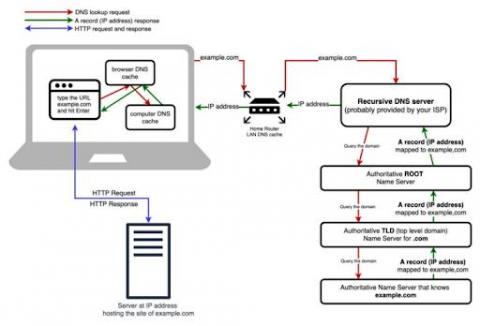
How to monitor DNS query response time
DNS (Domain Name System) servers translate standard language web addresses to their actual IP addresses for network access. DNS response time is the time it takes a Domain Name Server to receive the request for a domain name’s IP address, process it, and return the IP address to the browser or application requesting it. When it comes to DNS response times, the lower the better, and generally values less than 100ms are considered to be in the acceptable range (depending on the application).

How to Fix Poor Google Cloud Latency
Learn how to reduce your latency and get better network performance from the popular cloud service provider.
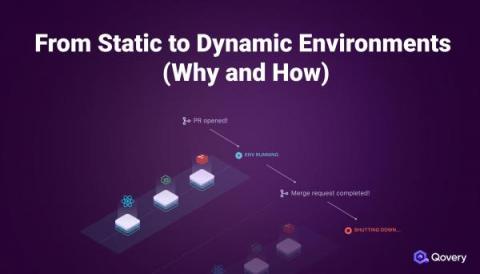
From Static to Dynamic Environments (Why and How)

What is confidential computing? A high-level explanation for CISOs
Privacy enhancing technologies and confidential computing are two of my favorite topics to talk about! So much so that I am writing this blog post on a sunny Saturday afternoon. But wait, what’s that I hear you murmuring? “What is confidential computing? And how does it affect me?” Those are two very good questions.
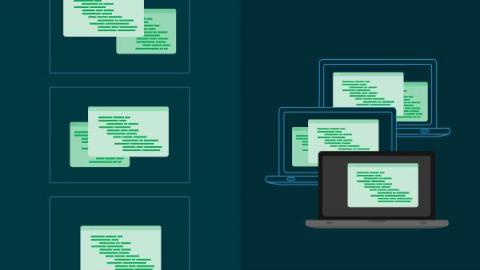
Containers vs virtual machines: what is the difference?
In computing, virtualization is the creation of a virtual — as opposed to a physical — version of computer hardware platforms, storage devices, and network resources. Virtualization creates virtual resources from physical resources, like hard drives, central processing units (CPUs), and graphic processing units (GPUs). By virtualizing resources, you can combine a network of resources into what appears to users as one object.

Setting better SLOs using Google's Golden Signals
To many engineers, the idea that you can accurately and comprehensively track your application's user experience using just a few simple metrics might sound far-fetched. Believe it or not, there are four metrics that aim to do just that. They're called the four Golden Signals and should be a core part of your observability and reliability practices.

Atlassian Automation overview | Atlassian
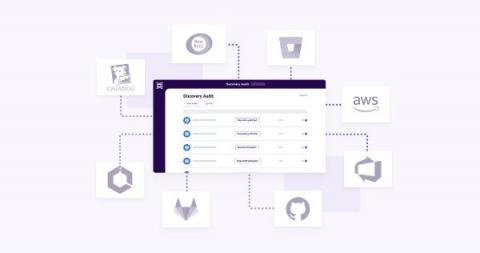
Building confidence with Cortex Discovery Audit

Canonical works with NVIDIA and BT to unlock infrastructure scalability for data scientists, technical and creative professionals
Ubuntu KVM — an industry-leading hypervisor — extends its reach to AI/ML applications and graphics-intensive applications with native support for NVIDIA virtual GPU (vGPU) software products, including NVIDIA Virtual Compute Server (vCS) and NVIDIA RTX Virtual Workstation (vWS). Canonical has been working closely with NVIDIA to ensure frictionless integration and a best-in-class user experience.