The latest News and Information on DevOps, CI/CD, Automation and related technologies.
Containers have long been used in the transportation industry. Cranes pick up containers and shift them onto trucks and ships for transportation. Container technology is handled in a similar vein in the software world. A container is a new and efficient way of deploying applications. A container is a lightweight unit of software that includes application code and all its dependencies such as binary code, libraries, and configuration files for easy deployment across different computing environments.
For most organizations, GitHub is mission critical. Your GitHub repositories likely also contain some of your organization’s most sensitive data. GitHub provides tools to help you protect and govern this data, with tools such as audit logs, code scanning alerts, and secret scanning alerts. However, analyzing these logs and alerts through GitHub’s UI can be challenging. For example, looking for trends in your code scanning alerts over time through GitHub’s UI is just not possible.
Autonomous vehicles are all over the media these days. But what of the technologies that make them possible? In a previous blog post, we covered the many fascinating use cases for digital twins and their applications for the development of self-driving cars. But with the race towards autonomy becoming fiercer, the costs to use these new enabling technologies are rising exponentially. Moreover, the need for talent and experts across the world is forcing companies to shift to remote work.
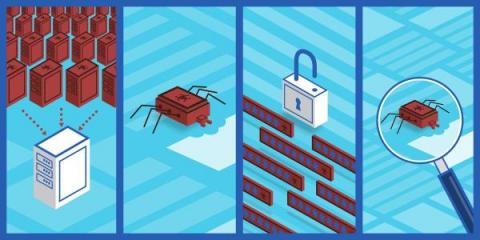
For server administrators tasked with ensuring the reliable operation of their web applications, the thought of a lurking cyberattack can be one to lose sleep over. An attack on your system and the services you provide could render your web applications unresponsive. What’s worse, important information that depends on privacy and the careful storing of data is put at risk.
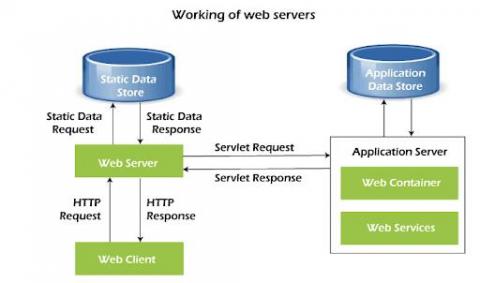
Web servers are among the most important components in modern IT infrastructures. They host the websites, web services, and web applications that we use on a daily basis. Social networking, media streaming, software as a service (SaaS), and other activities wouldn’t be possible without the use of web servers. And with the advent of cloud computing and the movement of more services online, web servers and their monitoring are only becoming more important.