Operations | Monitoring | ITSM | DevOps | Cloud

The latest News and Information on DevOps, CI/CD, Automation and related technologies.

Improved Design Interface. Less Code. Runbook Studio 5.0 Makes Runbook Automation a Cinch

Kelverion Runbook Studio V5.0 makes it even easier for organizations to automate IT service desk requests and reduce IT burden. In its fifth iteration, The Runbook Studio has undergone a significant design overhaul. The Studio’s technical capabilities have always been exceptional and now it has a user interface to match. On top of that, this version takes Kelverion’s low code/no-code design environment to the next level.

Kubernetes Security 101 For Developers - More Than Locking You Out Of Kubectl

Security can certainly be a broad brush topic. As a software engineer, you design and build to the best of your ability. In delivery methodologies of years gone by, sometimes security can be viewed as an afterthought e.g running security testing last before deploying. Today with the DevSecOps movement, one more set of concerns moves left towards the developer which is now security.

The Kubernetes Autoscaler Charm

Managing a Kubernetes cluster is a complex endeavor. As demands on a cluster grow, increasing the number of deployed pods can help ease the load on the system. But what do you do when you run out of nodes to host those pods, or when the load decreases and some nodes are no longer needed? Manually adding or removing nodes is possible, but wouldn’t it be better if there was a way to automate that task? Fortunately, that’s exactly what the Kubernetes Autoscaler charm is for!

Puppet and Government: DevSecOps in government environments

This blog is the second in a four-part series about how Puppet can help government agencies meet compliance and security requirements. Read the first post here. Zero Trust is a strategy created to combat system intrusions through a “never trust, always verify” model. DevSecOps is a collaborative software development strategy that integrates development, security, and operations practices into a continuously evolving lifecycle.

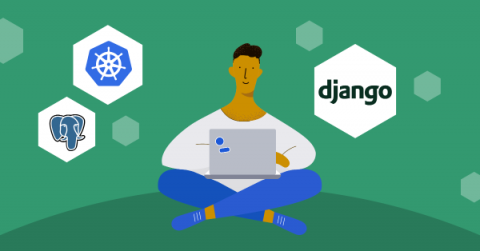
Continuous integration for a production-ready Dockerized Django application

Continuous integration has become a widely accepted practice for software projects. As more technologies are introduced in both continuous integration and software development, developers are looking for practical ways to benefit from them. Basic tutorials that cover toy examples are not always enough for real-life practitioners. As an actual user of Django, Docker, and CircleCI, this was certainly a pain point for me. That is why I wrote this tutorial.

Monitoring Ubuntu 20.04 and Activating ML with Netdata

Sometimes a hat is just a hat, the truth is just the truth, and the clearly most popular example of a category is plain to see. In this case, Ubuntu is the most popular Linux distribution currently available. With the operating system’s superior popularity also comes an amazing amount of community support.