The latest News and Information on DevOps, CI/CD, Automation and related technologies.
Last May, KubeCon gathered multiple tech enthusiasts, students, professionals, and companies. The event highlighted various topics and insights on how to collaborate on pushing the boundaries of cloud-native computin One of our Engineering Directors, Mykola Marzhan, shared his knowledge about databases on Kubernetes at KubeCon, during a session organised by the DoK.Community. We’ve picked out some of the key highlights from the talk below.
IT leaders, engineers, and developers must consider multiple factors when using a database. There are scores of open source and proprietary databases available, and each offers distinct value to organisations. They can be divided into two primary categories: SQL (relational database) and NoSQL (non-relational database). This article will explore the difference between SQL and NoSQL and which option is best for your use case.
As rack densities rise and concern about the sustainability of data centers grows, data center managers need a way to not only cool their equipment but do so as efficiently as possible. To efficiently cool racks of 20 kW or more, organizations are seriously investigating liquid cooling and immersion cooling.
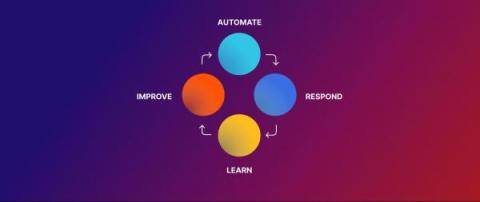
Too many of us are still playing whack-a-mole when it comes to incidents: an incident is declared, the on-call engineer is paged, the incident is resolved and then forgotten — until next time. It’s time to start thinking in terms of proactive incident management, not just reactive incident response.
Node.js is one of the best and most widely used Javascript runtimes used for building APIs. But, this popularity status has led to many hackers distributing insecure modules that exploit the Node.js application or provide a weak point for exploitation. In this tutorial, you will learn how to audit Node.js modules and also detect vulnerabilities in modules using npm audit.
Configuration files can take some time to set up, but after that initial push they are easy to forget about. “If it’s not broken, don’t fix it” is a common approach that many developers take with their configuration files. But when it comes to your continuous integration pipelines, small changes can have huge benefits.