Announcing Qovery EC2: Deploy your apps on AWS for $20/m
What is Qovery EC2? In just one sentence: what if I told you that you could host your application on AWS from $20 per month? Well, it’s now possible thanks to Qovery EC2! ��


The latest News and Information on DevOps, CI/CD, Automation and related technologies.
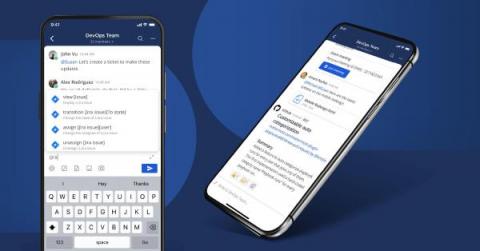
DevOps-oriented engineers live at the intersection of IT operations and software development: understanding much of what it takes to maintain IT infrastructure while also being able to write code and deploy new services. DevOps-minded teams not only create services — they also maintain them. A DevOps structure forces teams to take accountability for their applications and infrastructure instead of allowing developers to throw code over the proverbial wall to IT operations.
Get ready for the future of Mattermost mobile. Beta testers can now access Mobile v2.0, including multi-server support — our most requested mobile feature ever. We’re also bringing you a number of usability enhancements and performance improvements to make you productive on the go. If you want to be on the cutting-edge of Mattermost mobile development, we’d encourage you to join the mobile beta program today.
Summer is finally here in the Northern Hemisphere and as we work on getting our collective outdoors time in, we also have been busy at work making some great enhancements to Shipa. We kicked off June with a great webinar with PeladoNerd focusing on LATAM. We continued to focus on building and enhancing Shipa.
Helm is a deployment tool for Kubernetes objects that supports package management, dependencies, and templating. In this article, we will explore how to optimize your Helm charts. To follow along, you’ll need a basic understanding of Helm and will have ideally written and deployed some basic Helm charts.
The first few minutes of an incident are often the hardest. Tension and adrenaline levels are high, and if you don’t have a well-documented incident management plan in place, mistakes are inevitable. It was actually the years I spent managing incidents without the right tools in those high-tension moments that inspired me to build FireHydrant. I built the tool I wished I’d had when I was trying to move fast at the start of incidents.