Operations | Monitoring | ITSM | DevOps | Cloud

The latest News and Information on DevOps, CI/CD, Automation and related technologies.

The Ultimate Guide To Telemetry

If you’re anywhere in the Queensland region of northern Australia, look out. There’s an eight-foot-nine-inch-long (2.65 meters) crocodile, deceptively named Danny-Boy, who might be looking for a snack. Specifically, if you’re anywhere near -12.975388, 141.987344, you should stay on your toes. That’s the last place Danny-Boy was sighted. So unless you want your pipes to be calling, keep your eyes peeled.

Creating The Perfect Variance Analysis Report: 5 Best Practices

A variance analysis report is used to measure actual performance against your budgeted or planned performance. From a finance perspective, it’s essentially a way to measure your organization’s planning effectiveness. While there are a number of reasons you might be surprised by your variance analysis, it can be a signal that something went wrong along the way and you have not been collaborating with your team, are using the wrong tools, or have ineffective processes.

What's New? D2iQ Kaptain 1.2!

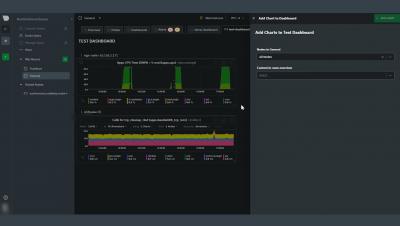
We are pleased and proud to announce the General Availability of D2iQ Kaptain 1.2. This new update includes new features and improvements to the overall user experience, including: The new dashboard enables users to visually monitor and observe the resource consumption of Kaptain Workloads, observe the state of those workloads, and easily identify and debug any issues.

Why Migrate to Cloud Now?

Cloud has become the go-to location for businesses to store data and build infrastructure. Many organizations have shifted their applications to cloud platforms, and many of those businesses that have their data on-premise ecosystem today are soon planning to migrate to the cloud. Studies reveal that the main drivers for cloud migration are security, cost-efficiency and modernization capabilities. But is not limited to this, a lot more is yet to realize. In respect of the current situation, the transition from legacy software and cloud is a strategic step. It is becoming a must-have step for business continuity for most companies.

How NaaS Can Support Development and Testing Environments

The widespread adoption of the cloud has transformed the way applications are developed just as much as it has transformed the way they are deployed and consumed. In this blog we look at how Network-as-a-Service (NaaS) can help developers support the complete application lifecycle by unlocking the value of PaaS (Platform-as-a-Service).

Monitoring Load Balancers with Grafana

Load balancers play an important role in distributed computing. With load balancers, you can distribute heavy work loads across multiple resources, which allows you to scale horizontally. Since they are placed prior to computing resources, they need to endure heavy traffic and allocate it to the right resources fast. For this to happen, monitoring the health and performance of load balancers is key. In monitoring, visualization helps users to view various metrics quickly.

Monitoring Network Switches with Grafana

In monitoring, a target system or device is a deciding factor in designing your monitoring stack. You will have to consider various aspects starting from how you want to collect data in what frequency to how you want to surface metrics to end users. You will have to take this strategic approach when you want to monitor your network infrastructure. In this article, we will discuss how Grafana, an open-source visualization tool, can help you to monitor network switches.

D2iQ: The Smart Way to Get to Day 2

Leveraging the cloud for business can be rewarding, but getting from cloud to cloud-native is easier said than done. The reality is that in today’s dynamic IT environment, while experiencing the creation of truly amazing technology, forces organizations to choose from an excessive number of options—from cloud providers, to orchestration platforms, to setup tools. Graduating from day 0 means figuring out operational efficiency, security, and long-term costs. So how do you ensure a successful Day 2?