Operations | Monitoring | ITSM | DevOps | Cloud

The latest News and Information on DevOps, CI/CD, Automation and related technologies.

JFrog Container Registry Delivers For Business and Community

Ever since container technology hit the scene in 2013, it’s generated excitement from developers and operations teams. Using containers to deliver apps and microservices helps enable large scalable deployments with smoother rollouts, accomplishing in minutes what used to take hours, if not days. Delivering the containers themselves, however, can still be challenging to do across all types of modern infrastructure.
A Brief Introduction to Containers

Whether you’re new to development or a seasoned developer, containers have proven to be game-changing in building, testing, and deploying applications. This article is meant as a quick introduction to the world of containers. To get started, you’ll need to install Docker to follow along with the examples. If you haven’t installed Docker yet, head over to their website to get it installed. There are free versions available for all major operating systems.

Announcing JFrog Container Registry

For over a decade, JFrog has been performing heavy lifts. We pioneered artifact management, have served developers with industry-leading tools, and helped them get containers quickly and safely where they need to go. Today we’re delighted to announce JFrog Container Registry, the world’s most advanced, fully hybrid Docker registry that’s free to use on-prem, in the cloud, or both.

What's next for monitoring Kubernetes

At Datadog, we rely heavily on Kubernetes, and we’re facing some interesting challenges as we use Kubernetes to scale further and strive for greater efficiency. To address these challenges, we’ve been working on solutions to help us better control how our clusters scale, and to make it easier to deploy and manage the Datadog Agent. Today, we’re open sourcing these solutions to share them with the rest of the Kubernetes community.

Is Your CI/CD Process Past Its Prime?

At the advent of the technological era, developers found themselves wasting hours of valuable resources on manual QA. As software was released, teams manually confirmed that it was bug-free and reliable, all the while testing new features and checking for regression of existing features. Unfortunately, this manual approach was prone to mistakes, created long delays in workflows and was tedious and time-consuming.

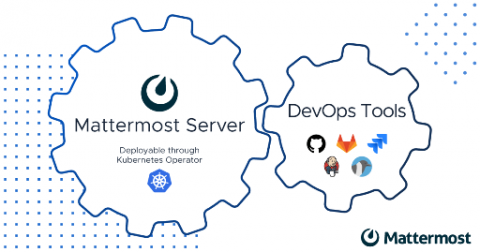
Introducing Mattermost ChatOps: Open source, real-time DevOps

It’s never been a more exciting time for DevOps. The range of community-driven, open source tools available for building, deploying, and running apps brings new sophistication and scalability—once the exclusive domain of internet giants—into the hands of virtually all organizations.

Azure Functions, What Is It Exactly?

What is Microsoft Azure Functions and how does it compare to Azure Automation? As Microsoft Azure continues to be developed and more automation options become available; Azure Automation, Logic Apps, ARM (Azure Resource Manager) and Azure Functions to name a few, the question is quickly turning from ‘how do I automate with Azure?’ to ‘what automation type do I use in Azure?’.

Why K3s Is the Future of Kubernetes at the Edge

By next year the number of connected devices will exceed 20 billion. The vast majority of these devices run on Arm architecture, increasingly at the infrastructure edge. With this growth in mind, the need for an agile, Arm-based development methodology has become increasingly urgent. Arm Neoverse provides the required IP for building the next gen of edge to cloud infrastructure to support the data explosion we are seeing, primarily caused by IoT.

Rio: Revolutionizing the Way You Deploy Applications

This week at KubeCon in San Diego, Rancher Labs announced the beta of Rio, the application deployment engine for Kubernetes. Originally announced in May of this year, the latest release is version v0.6.0. Rio combines several cloud-native technologies to simplify the process of taking code from the developer’s workstation to the production environment, while ensuring a robust and secure code deployment experience.

Implement monitoring as code with Datadog and CloudFormation Registry

AWS CloudFormation is a service that enables you to build infrastructure as code, similar to Terraform. You can create CloudFormation templates to provision and manage all of the resources for your stacks, such as EC2 instances, load balancers, and security groups. These templates automate the process of building infrastructure, creating repeatable steps that you can easily check into version control. This ensures that your configurations do not drift with each new environment you spin up.