DevOps Automation: Best Practices and Benefits
Automation is an important component of DevOps, but how do you actually put automation into practice to advance the goals of DevOps? Let's answer that question. In this blog, we explore.


We’ve had a bumper month here at incident.io HQ. We’ve welcomed 3 new joiners, celebrated two 1 year incident.io anniversaries (congrats Lisa and Lawrence!), released a whole load of exciting new features and (for those of you wondering what’s been causing the recent heatwave) we’ve redesigned our website and it is on fire 🔥 😎 Here’s a round-up of some of this month's highlights…
It’s been over 6 months since Lawrence’s excellent blog post on our data stack here at incident.io, and we thought it was about time for an update. This post runs through the tweaks we’ve made to our setup over the past 2 months and challenges we’ve found as we’ve scaled from a company of 10 people to 30, now with a 2 person data team (soon to be 3 - we’re hiring)!
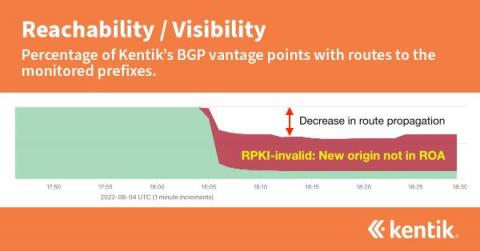
Earlier this year, Job Snijders and I published an analysis that estimated the proportion of internet traffic destined for BGP routes with ROAs. The conclusion was that the majority of internet traffic goes to routes covered by ROAs and are thus eligible for the protection that RPKI ROV offers. However, ROAs alone are useless if only a few networks are rejecting invalid routes.
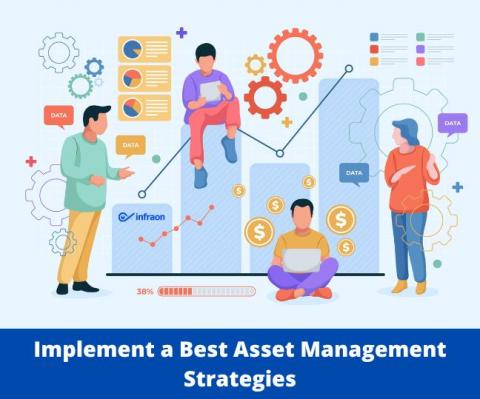
Every manager in the real estate industry wants to minimize the organization’s expenses and ensure every asset and equipment is available where it is required so that no work operation hindrance occurs. In order to maintain a real state structure, it is important to create a complete list of assets attached to each real estate. However, when all these activities are done manually then it leads to several issues. This is where automated Real Estate Asset Management comes into play!
When you visit the About section of a company’s website, you probably expect to find information about the company’s culture and values. In how many cases are those statements more hype than reality? Does the company do the things it needs to do to help its employees be their best? It’s never been more critical to foster employee engagement and productivity.
For its 25th year, Black Hat USA presented a “unique hybrid event experience, offering the cybersecurity community a choice in how they wish to participate” virtually or in person. It was a jam-packed four days of trainings, conferences, briefings, special events, and cybersecurity solutions.