The high penetration of cloud-based applications and the Great Resignation that shows no sign of slowing down makes technology the differentiator for organizations, stressing the need for uninterrupted IT now more than ever. As Christopher Kay from the Hackett Group rightly pointed out in a session at the Be Unstoppable virtual summit, delivering a great employee experience at the workplace is the linchpin for organizations to fight the battle against the Great Resignation.
Every second counts when it comes to data theft. So when a breach or an attack occurs, network security teams need to determine what’s happened as quickly as possible. The more time spent in root cause analysis, the more time an attacker has to burrow deeper into or across the network. The greater the overall loss from the attack is likely to be too. That may be financial, customer impact, or brand reputation.
As a software-based company, the most critical thing you can do is maintain control over your users' digital experiences and satisfaction levels. However, without a monitoring plan and technologies that allow you to see how customers interact with your application or website from their perspective is impossible. They provide you with the information you need to determine how well your webapp or website is operating and to avoid slow pages or screens that drive customers to your competitors.
Java has been one of the most widely used programming languages among developers worldwide for years. So naturally, it is a popular choice for those beginning their careers in development. Learning Java requires more than just knowing the proper syntax and effective code hygiene. Any developer who hopes to use Java for commercial development must be able to quickly and competently identify and recognize errors in their code.
Inflation is running rampant, the world stage is unpredictable, and what’s happening in the U.S. markets has been dubbed the “tech wreck.” A common theme I’m hearing come up in conversations across industries right now is value — we’re all looking to maximize every dollar spent, every hire made, every hour logged. For a lot of companies, this means looking at processes and tools with a critical eye for not only cost savings but also cost avoidance.
For the past year, the unprecedented movement of workers leaving jobs and switching career paths (aka the Great Reshuffle), has been top of mind for most organizations. Although losing talent is largely inevitable and a natural part of any company’s ongoing evolution, many organizations are recognizing the velocity of employee exits as one of the greatest risks they face today. To assess your organization’s risk, answer these questions.
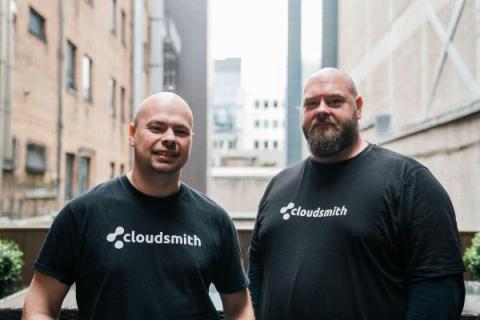
Alan and Lee talk about the journey of Cloudsmith, and how we got to where we're at today with the latest pricing announcement.
Incident management is a practice that seeks to resolve business-impacting events in the most efficient manner possible. But not every problem that arises requires an incident response, and it’s crucial that teams know the difference between a problem and an incident. Responding to problems may be part of daily routines, or small ad hoc projects that don’t require more than one resource or a significant time commitment.
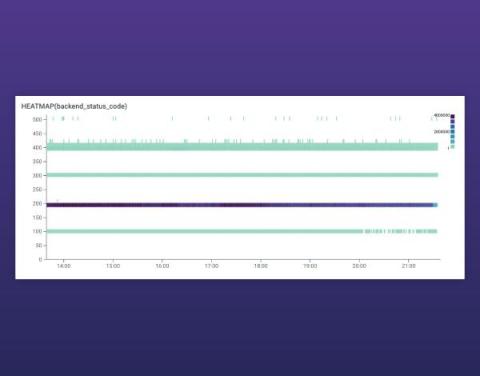
More often than not, as developers, when we get a report that a large customer is hitting 502 errors, there's a flurry of activity. What's wrong? Is something deeply broken? So you start digging through AWS logs to see what you can find, but it's hard to reproduce. Sometimes, there's no clear answer, and you move on without any resolution. What if I told you it doesn't have to be this way?