Operations | Monitoring | ITSM | DevOps | Cloud

Kubernetes Incident Response Best Practices

Inevitably, organizations that use technology (regardless of the extent) will have something, somewhere, go wrong. The key to a successful organization is to have the tools and processes in place to handle these incidents and get systems restored in a repeatable and reliable way in as little time as possible.

CI/CD & DevOps Pipeline Analytics: A Primer

Tracking application-level and infrastructure-level metrics is part of what it takes to deliver software successfully. These metrics provide deep visibility into application environments, allowing teams to home in on performance issues that arise from within applications or infrastructure. What application and infrastructure metrics can’t deliver, however — at least not on their own — is breadth.

Introducing the new Confluent Cloud integration for Grafana Cloud

At Grafana Labs, we’re continuing to expand our platform of Grafana Cloud integrations that make it easier than ever to connect and monitor external systems. These integrations enable you to answer the big picture questions in your organization and tell your observability story.

Automated Threat Hunting: A Closer Look

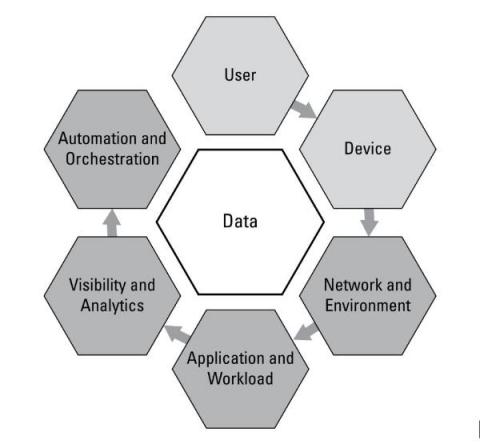
Proactively finding and eliminating advanced threats through threat hunting is a growing necessity for many organizations, yet few have enough resources or skilled employees to do it effectively. For those who do have an active threat hunting program, the process is often manual and time consuming. With cloud security automation, however, you can implement rules that automatically adjust your security policies based on the latest threat data.

4 steps to bring network observability into your organization

The vast majority of corporate IT departments have a network monitoring solution. Typically that solution is built on standalone software platforms. If that’s you, this post is for you. You’re probably hearing a lot about “observability” these days. Generally, that’s the ability to answer any question and explore unknown or unexpected problems to deliver great digital experiences to your users.

Monthly Moo | April 2022

We are well into 2022 and are busy bringing new exciting features to market. Our customers continue to provide input into our product roadmap and many new features are based on this collaborative effort. A big thank you to our valued customers. Throughout the year we will continue to drive innovation and allow our customers, of all sizes, to implement the most advanced AIOps solution in the shortest time possible.

Logbook: Team Discussion and Full Incident History

We've launched a feature that will help you fix errors and performance issues as a team! 🎉 With Logbook you get the full incident history. Read and leave team comments, see which notifications were sent at what time, and see team activity for changes in incident states. It's now easier than ever to see what the current state of an incident is.

Shipa Product Updates - 1.7.0 Release

We are really excited today to announce the Shipa 1.7.0 Release. Lots of great features and enhancements are packed in the latest release of Shipa. Several features coming from our customers and community, and you can now submit your ideas via the Idea Portal. Let’s take a look at what has been cooking at Shipa and upcoming events that you can catch us at.

Get more from your Jira integration with custom field support

When FireHydrant originally launched our Jira Cloud and Jira Server integrations, we did not support custom fields. This prevented customers who rely on Jira epic ticket types or other custom required fields from getting full value from our Jira integrations. That has changed with the launch of Jira custom field support. We now support the most common type of Jira epic tickets and field-level mapping of Jira custom fields with FireHydrant incident data.