Operations | Monitoring | ITSM | DevOps | Cloud

Simplifying App Deployments for Developers - A Short History from Timesharing to Serverless

I have been in the IT industry for a few decades now and have helped launch waves of technology in the constant pursuit of making computing easier, cheaper and with greater uptime. This all started well before my entry into the IT industry and will continue to well past the time I retire. However, it is always good to understand where we have been and look how far we have come to understand how we can continue to make it even better.


A System Administrator's Journey through multiple IT transformations

July 30 was SysAdminDay 2021. For most of us at work, the day was just like the day before it but for sys admins across the globe, it was a day when they felt appreciated and acknowledged. Much of what happens behind the scenes in the IT world works well and as expected only because of our IT heroes. They’re the ones, who don the jumpsuits and parachutes in the IT universe… Some are even ready with a fire truck in tow.

How the technology you choose influences CloudOps maturity

As the world becomes increasingly digital-first, it’s more important than ever for organizations to keep services always-on, innovate quickly, and deliver great customer experiences. Uptime is money, so it’s no surprise that many have made the shift to cloud in recent years in order to make use of its flexibility and scale—while controlling costs. And while 2020 wasn’t easy for any organization, those that are thriving have embraced the digital mindset.

How Influencing Events Impact the Accuracy of Business Monitoring

Businesses are flooded with constantly changing thresholds brought on by seasonality, special promotions and changes in consumer habits. Manual monitoring with static thresholds can’t account for events that do not occur in a regularly timed pattern. That’s why historical context of influencing events is critical in preventing false positives, wasted resources and disappointed customers.

So much data, so little time: How your observability tool can help teams make better use of data

Digital transformations can entail significant shifts in technology, such as migrating from on-site architecture to cloud services, and these complex transformations generate massive amounts of data. Data transparency is a must-have, and observability with AIOps delivers the solution. Through a unified view of data, AIOps guides DevOps and SRE teams through the swamp of information

Serverless with AWS - Image resize on-the-fly with Lambda and S3

Handling large images has always been a pain in my side since I started writing code. Lately, it has started to have a huge impact on page speed and SEO ranking. If your website has poorly optimized images it won’t score well on Google Lighthouse. If it doesn’t score well, it won’t be on the first page of Google. That sucks.

How Youredi Used Logit.io To Fulfill Their Client's Dashboard Needs

See how the Logit.io platform helped give Youredi a more streamlined reporting and data visualisation alternative to using Microsoft’s Power BI in our latest customer case study. Outside of its BI capabilities, the Logit.io platform is used throughout Youredi by everyone from their technical teams through to their customer support and professional services department.

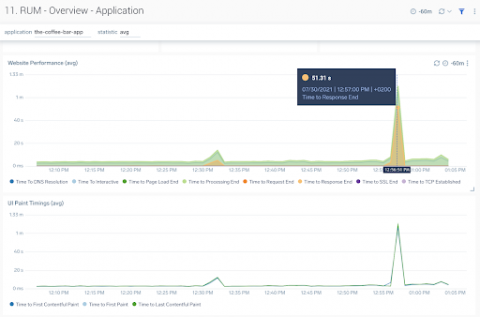
Sumo Logic completes full stack observability with Real User Monitoring capabilities

We all know how our life has changed in the last two decades in terms of how we interact with our vendors for day to day activities, regardless if we shop for a birthday present or read a newspaper. This digital transformation of everything we do increased even more during the pandemic, when it appeared that a malfunctioning digital access channel can often mean lack of possibility to enter certain places like even the country or a plane to get back home.

Centralized Log Management and APM/Observability for Application Troubleshooting and DevOps Efficiency

DevOps has become the dominant application development and delivery methodology today, embraced over traditional software development methods by teams striving for lightning-fast innovation and more frequent releases without compromising on quality, stability, or productivity.