Operations | Monitoring | ITSM | DevOps | Cloud

Announcing our $55M Series C Round Funding to further our storage-less data vision

It’s been an exciting year here at Coralogix. We welcomed our 2,000th customer (more than doubling our customer base) and almost tripled our revenue. We also announced our Series B Funding and started to scale our R&D teams and go-to-market strategy. Most exciting, though, was last September when we launched Streamaⓒ – our stateful streaming analytics pipeline. And the excitement continues!

Logging and Monitoring: A Match Made in Software Heaven

All code and no logging makes your application a black box system. Similarly, all logging and no monitoring makes analyzing performance complicated and inconvenient. The goal is to achieve better visibility into the operations of your application, its status, performance, and overall health. Making this information easily accessible presents more context about the critical incidents and surfaces actionable insights for optimizing performance.

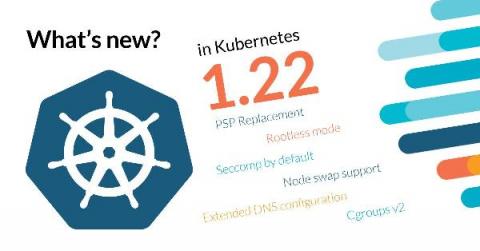
Kubernetes 1.22 - What's new?

This release brings 56 enhancements, an increase from 50 in Kubernetes 1.21 and 43 in Kubernetes 1.20. Of those 56 enhancements, 13 are graduating to Stable, a whopping 24 are existing features that keep improving, and 16 are completely new. It’s great to see so many new features focusing on security, like the replacement for the Pod Security Policies, a rootless mode, and enabling Seccomp by default. Also, watch out for all the deprecations and removals in this version!

Most frequently asked questions surrounding Google's Cloud Operations Sandbox

Cloud Operations Sandbox serves as a simulation tool for budding SREs to learn the best practices from Google and apply them to real cloud services. In this blog, we have compiled a list of FAQs surrounding the use of Google's Cloud Operations Sandbox. The Google SRE sandbox provides an easy way to get started with the core skills you need to become a SRE.

Why Cloud-Native SIEM?

The SIEM is a central point where data is collected and correlated, and as we move to consume more cloud services and data sets the SIEM itself must also change in architecture. Architecture change is hard to make for existing products. Calling a product a ‘cloud solution’ is not the same as taking an on-premises product and hosting it for customers. It means building a new SIEM for a new world. There are a lot of reasons users seek new SIEMs.

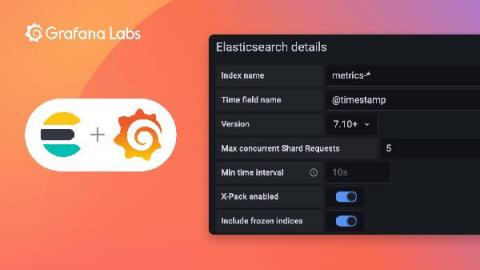
How we're working with the Elastic team to make the Elasticsearch data source for Grafana even more powerful

Back in March, we announced that Grafana Labs was partnering with Elastic to build an official Elasticsearch plugin for Grafana. As our CEO Raj Dutt wrote at the time, our “big tent” philosophy “means that we want to support data sources that our users are passionate about. Elasticsearch is one of the most popular data platforms that can be visualized in Grafana.”

5 Most Common API Errors and How to Fix Them

As software got more complex, more and more software projects rely on API integrations to run. Some of the most common API use cases involve pulling in external data that’s crucial to the function of your application. This includes weather data, financial data, or even syncing with another service your customer wants to share data with. However, the risk with API development lies in the interaction with code you didn’t write—and usually cannot see—that needs debugging.